
From Garden to Table: 5 Easy Plants for Healthier Eating
Imagine stepping outside just before dinner to pick a handful of green beans, a ripe tomato, or a few leaves of lettuce for tonight’s meal. The ingredients are fresh, full of flavor, and only a few steps from your kitchen. Growing your own food won’t replace every trip to the grocery store, but it can make healthy meals feel a little more convenient and a lot more satisfying. Along the way, you’ll also enjoy many of gardening’s benefits, from spending more time outdoors and staying active to reducing stress and boosting your overall well-being. Who knows? It might just be one more step toward joining the centenarian club.
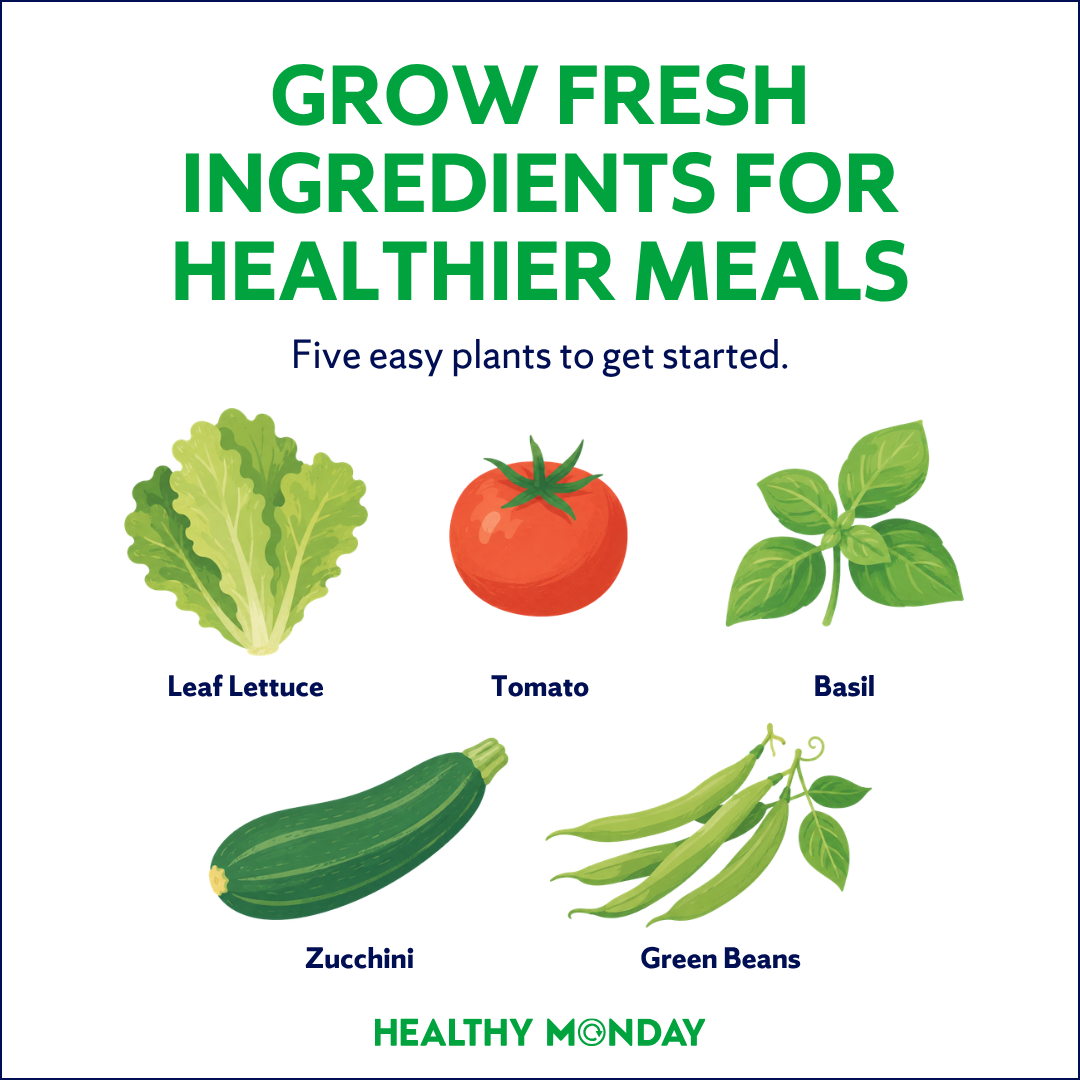
A few containers on a patio or a small garden bed are enough to get started. These beginner-friendly plants are easy to grow, rewarding to harvest, and can add fresh flavor to salads, sandwiches, and side dishes—making it a little easier to enjoy healthy meals all season long.
Leaf Lettuce
If you’re new to gardening, leaf lettuce is one of the easiest vegetables to start with. It grows quickly, doesn’t need much space, and does well in raised beds, small gardens, or containers. Pick the outer leaves as you need them, and the plant will continue producing throughout the season.
Beyond being easy to grow, leaf lettuce is a simple way to add more leafy greens to your meals. It’s a good source of vitamins A and K, fiber, and antioxidants while being naturally low in calories. Toss freshly picked leaves into salads, layer them on sandwiches, or use them as wraps for burgers or tacos.
Tomatoes
Few garden vegetables are as satisfying as picking a ripe tomato straight from the vine. Tomatoes produce generously throughout the summer, and cherry tomatoes are especially beginner-friendly because they need less space and tend to be more forgiving than larger varieties.
Tomatoes are not just small bursts of summer: they’re rich in vitamin C and lycopene, an antioxidant that may help support long-term health. With a water content of over 90%, they’re naturally hydrating and low in calories. Plant them in a sunny location, water them consistently, and consider starting with a seedling rather than seeds for an easier first season. Fresh tomatoes are delicious in salads, sandwiches, pasta dishes, or simply sprinkled with a little salt.
Basil
A few fresh basil leaves can brighten almost any meal. It’s one of the easiest herbs to grow and thrives in containers, window boxes, or garden beds. Because it can take a while to grow from seed, many gardeners save time by buying seedlings at their local garden center or grocery store.
Basil provides vitamin K and antioxidants, and a handful of fresh leaves can transform everything from salads to pasta to homemade pizza. Give it plenty of sunshine, water it regularly, and pinch off the top flower buds as they appear to encourage the plant to keep producing flavorful leaves throughout the season.
Zucchini
If you know someone with a vegetable garden, you’ve probably heard jokes about having too much zucchini. That’s because just one or two plants can produce an impressive harvest—a rewarding payoff for beginner gardeners.
Zucchini is rich in vitamin C and fiber, high in water, and naturally low in calories. Give plants plenty of sunshine, consistent watering, and room to spread. Harvest zucchini while it’s still small to medium-sized to encourage the plant to keep producing. Enjoy it roasted, sautéed, grilled, added to stir-fries, baked into breads and muffins, or spiralized into noodles.
Green Beans
Green beans, specifically bush beans, are another great choice for first-time gardeners because they’re quick to grow and can be planted directly from seed. Unlike pole beans, they don’t require a trellis, making them one of the simplest vegetables to grow in garden beds or containers.
They’re also a nutritious addition to your plate, providing both fiber and plant protein to help keep you feeling satisfied. Harvest beans while they’re young and tender, then enjoy them steamed, sautéed with onions and garlic, tossed into salads, or served as a simple side dish with dinner.
A Few Tips Before You Plant
Like any healthy habit, gardening becomes easier with a little consistency. Checking your plants while you sip your morning coffee, watering them after work, or harvesting a few vegetables before dinner can quickly become part of your daily routine. These simple tips can help you get started.
- Start with one or two plants instead of trying to grow everything at once.
- Containers work well if you don’t have a yard.
- Most of the plants on this list grow best with at least six hours of sunlight each day.
- Keep the soil consistently moist, especially during hot weather.
Ready for Your Next Gardening Challenge?
Already have a few growing seasons under your belt? Branching out means more variety on your plate and more of the vitamins, fiber, and antioxidants that come with a colorful harvest. Consider adding one or two of these nutritious plants to your garden this year:
- Kale
- Bell peppers
- Bok choy
- Swiss chard
- Blueberries or raspberries (if you have the space)
This Monday, get inspired to start planting. Start with one plant, one pot, or one small corner of the yard. Before long, you’ll have fresh ingredients ready to pick for healthy meals throughout the week. Sometimes the easiest way to eat healthier is to grow the ingredients yourself.
Looking for another reason to dig in? Learn more about the physical and mental health benefits of gardening, then download our Healthy Monday Garden Planner to keep track of what you plant and plan for future growing seasons.
Related Articles
Get Enough Protein While Eating Less Meat
Learn how much protein you need and how to meet your needs while eating less meat, with plant-based foods and practical meal ideas.

Build Connection Around the Dinner Table
Learn how regular shared meals can strengthen relationships, support healthier eating habits, and create meaningful time together.
Meal Prep Made Simple: Plan Ahead for Healthier Eating
A little meal prep can make healthy eating easier during a busy week. Learn what to prep, how much to make, and how to keep meals fresh and ready to go.