

Build Connection Around the Dinner Table
Sharing a meal gives us time to catch up, listen, and connect with the people we care about. It’s a chance to hear what happened at school or work, notice when someone seems off, share a laugh, or talk about what’s coming up. Those everyday conversations help us stay involved in one another’s lives, which is part of what makes eating together so valuable.
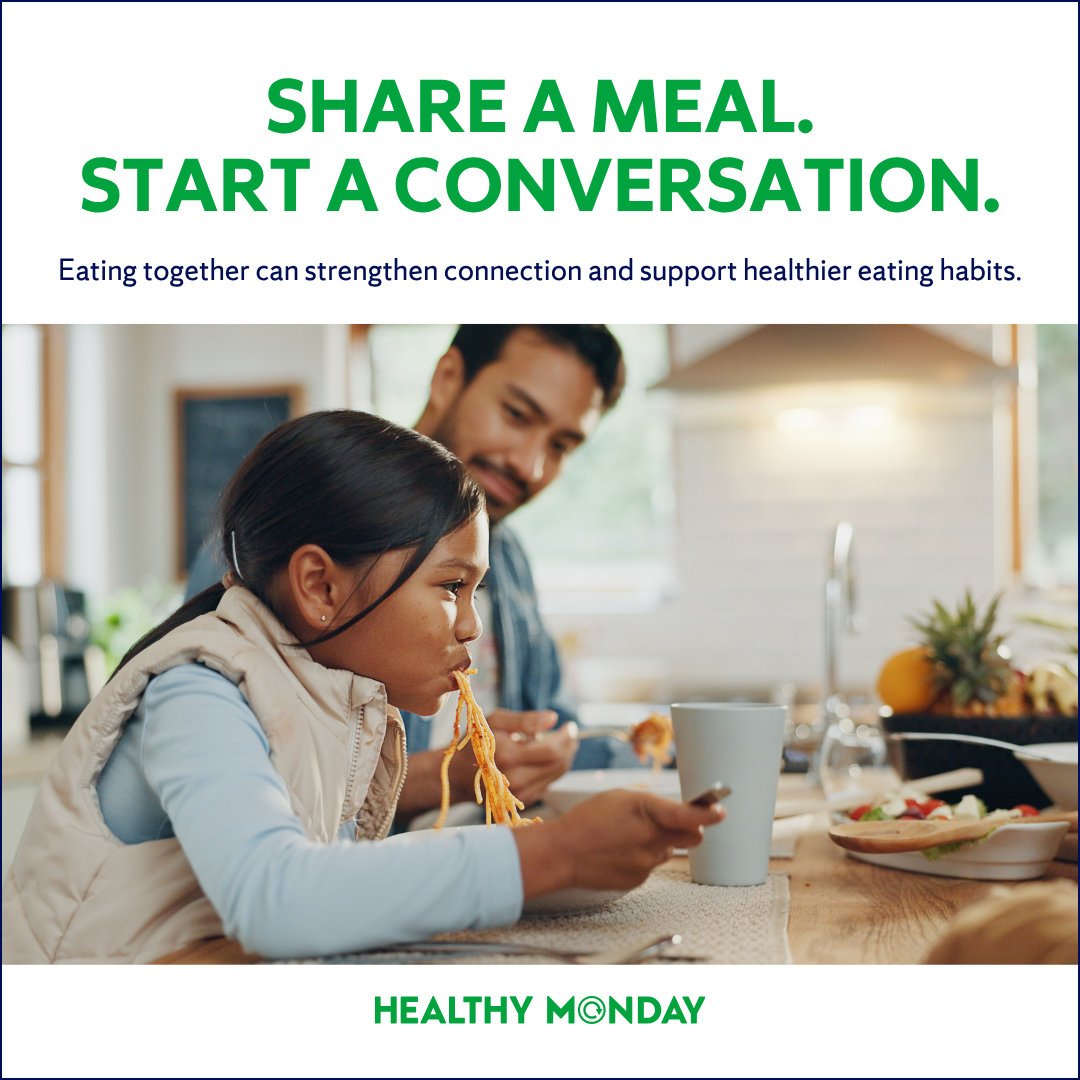
Shared meals can support healthier eating habits, too. They give families regular opportunities to prepare food together, serve a variety of foods, and model healthy eating for children.
A 2025 World Happiness Report found that people who shared more meals with others reported greater life satisfaction, more positive emotions, and fewer negative emotions. In a study of parents, frequent family meals were linked with stronger relationships, better mental health, and more nutritious eating habits. For children and teens, regular family meals are associated with better overall diet quality and healthier eating patterns, as well as greater academic achievement and fewer risky behaviors.
The people and food around the table may look different for everyone. Parents and children, partners, relatives, roommates, coworkers, neighbors, or close friends can all share a meal together. Everyone can eat something different, too. Coworkers can bring their own lunches, family members can heat up different leftovers, and friends can each pick up what they want. What matters is setting aside time to be present with one another.
For families balancing work, school, sports, and other activities, dinner may not be the easiest time to get everyone together. Breakfast before school, lunch on the weekend, or sandwiches between practices can create the same opportunity to talk and catch up. Choose a meal that fits your schedule and try to make it a regular part of the week.
If you’re cooking at home, invite others in your household to help. Kids can wash produce, stir ingredients, or set the table, while older children and adults can help with chopping and cooking. Helping with the meal gives children a chance to become familiar with different foods and practice skills they can use as they grow. It also creates more time to talk before everyone sits down.
Start with a meal that works for your schedule and focus on being present together. If 20 minutes is what fits, begin there. Here’s a simple recipe for making it happen:
Keep It Simple
Preparing an elaborate meal every night is unrealistic for many households. The goal is simply to eat together. Choose an easy meal, divide the tasks, or prepare part of it in advance. Try one of these 30-minute meals:
Limit Distractions
Phones, TV, homework, and to-do lists can pull attention away from the people at the table. Silence notifications, turn off the TV, put away tablets and laptops, and give the meal your attention. The other tasks will still be there when you’re finished.
Connect
Connection is what it’s all about. Regular interactions with people we care about can support our mental and cognitive health, and a shared meal creates time for those interactions. Try starting with a few collective breaths or having everyone raise a glass and say, “Cheers.” Experiment with one of the conversation starters below, and find more ideas in our family dinner guide.
- Did anything funny happen today?
- What’s something new you learned recently?
- What’s something you could talk about for 20 minutes without preparing?
- If you could eat only one thing for the rest of your life, what would it be?
This Monday, share a meal and start building a routine that supports connection and healthier eating. Keep the food simple, put distractions aside, and enjoy the conversation.
Related Articles
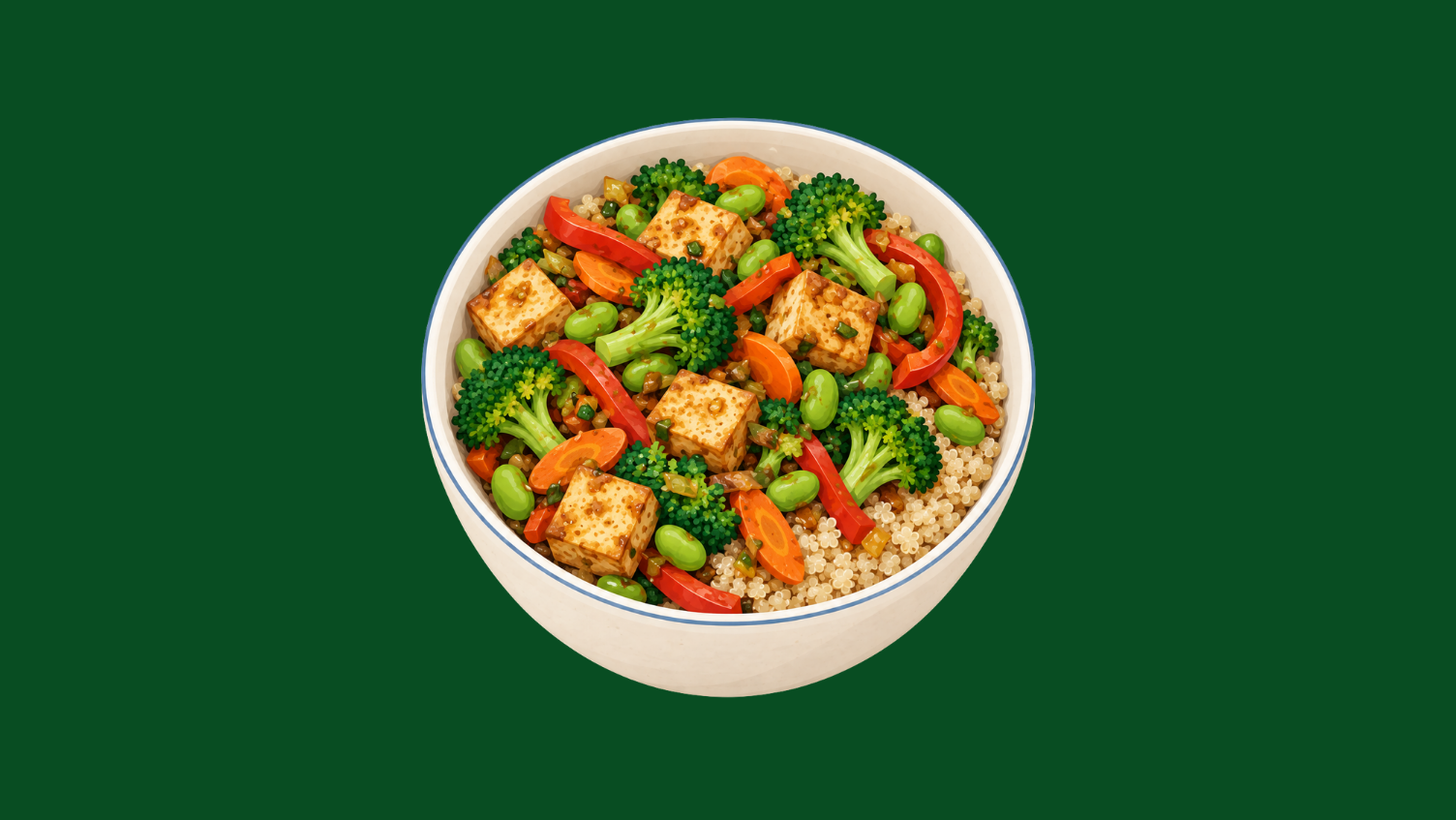
Get Enough Protein While Eating Less Meat
Learn how much protein you need and how to meet your needs while eating less meat, with plant-based foods and practical meal ideas.
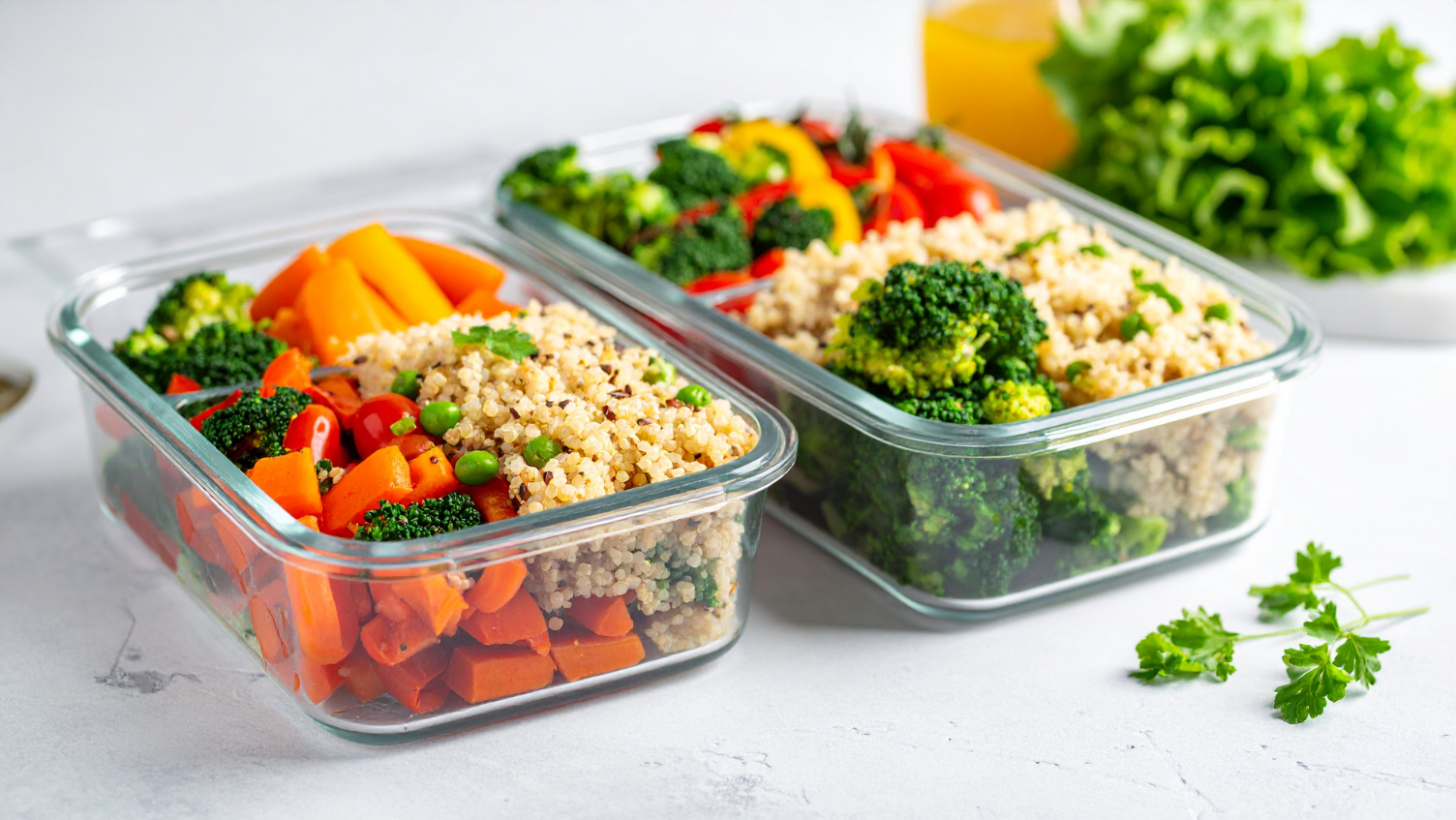
Meal Prep Made Simple: Plan Ahead for Healthier Eating
A little meal prep can make healthy eating easier during a busy week. Learn what to prep, how much to make, and how to keep meals fresh and ready to go.
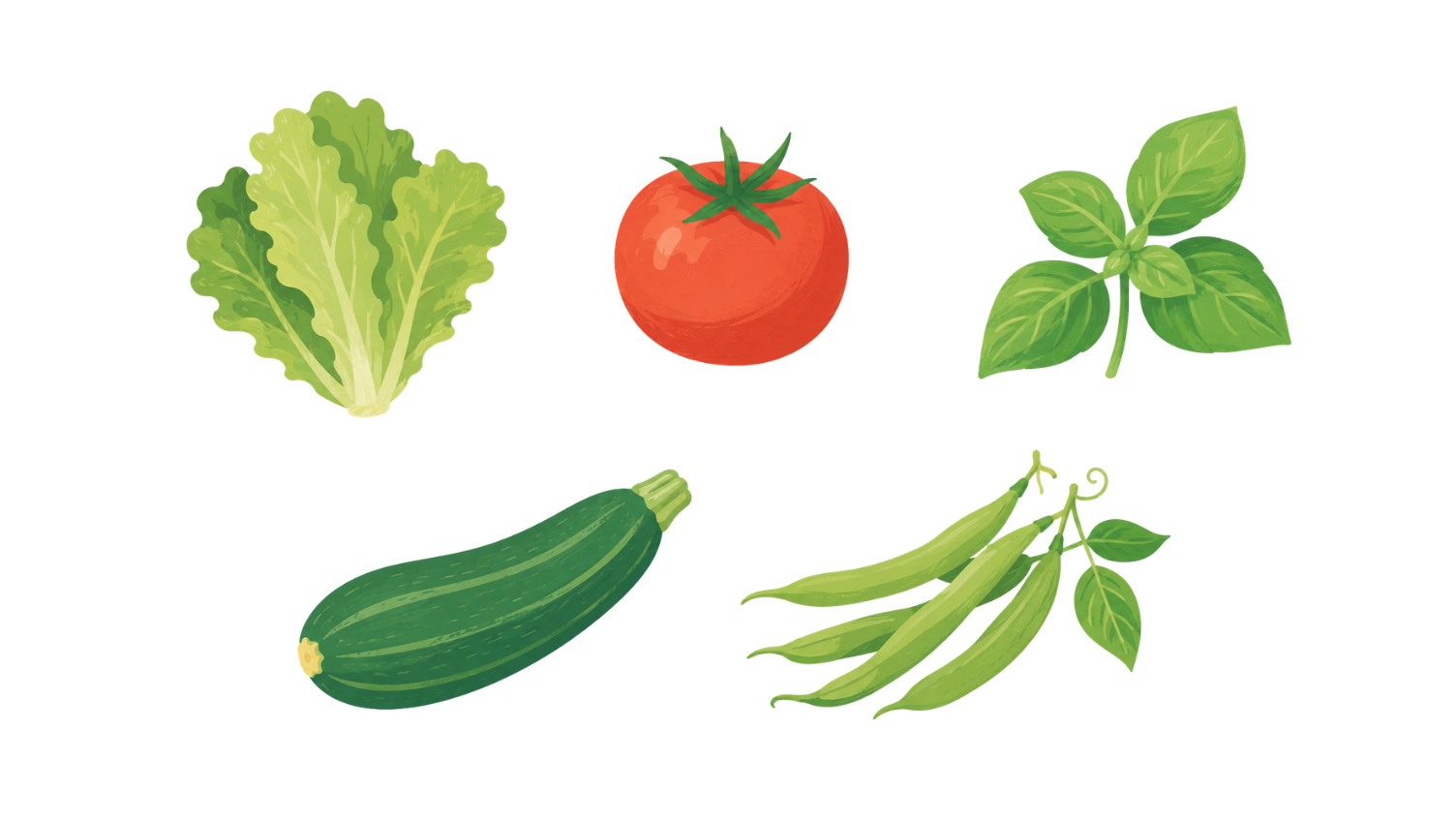
From Garden to Table: 5 Easy Plants for Healthier Eating
Growing your own vegetables can make healthy eating easier. Discover 5 beginner-friendly plants perfect for any garden or patio.