
Get Enough Protein While Eating Less Meat
Protein is getting a lot of attention lately. Grocery store shelves are filled with protein-added snacks and drinks, and social media is full of advice about getting more of it. With all that attention, it can be hard to know how much you actually need.
Protein is an essential nutrient, and if you’ve already tried the Make a Plate method, you know it’s one of the four key building blocks of a balanced meal. Many people already get enough to meet their basic needs, though those needs can change with age, activity, and health. If you’re reducing meat consumption, plant-based foods can help you get the protein your body needs.
What Protein Actually Does
Protein does a lot of heavy lifting inside your body, and most of it happens quietly in the background.
When you eat protein, your body releases hormones like GLP-1 that signal fullness and satisfaction. At the same time, it dials down the hunger hormone, ghrelin. This is the hormone that makes your stomach growl and sends you to your kitchen for a midnight snack. This is one reason why including protein in each meal can help you feel fuller for longer.
Protein also takes more energy to digest and process than carbohydrates or fat. That means your body is actually burning calories by processing it. And over time, getting enough protein helps maintain muscle mass, which keeps your metabolism running efficiently and your energy levels steady throughout the day.
In other words, protein isn’t just about building muscle at the gym. It’s about maintaining strength, preserving muscle as you age, and feeling satisfied after a meal.
How Much Protein Do You Need?
The short answer is: the recommendation may be higher than you think. The longstanding recommended dietary allowance is often listed as about 46 grams of protein per day for women and 56 grams for men, though individual needs depend on body weight. But many nutrition experts believe those numbers are too low for some people, especially as we get older.
The 2025–2030 Dietary Guidelines for Americans now recommend roughly 0.54–0.73 grams per pound of body weight each day. For someone who weighs 150 pounds, that’s about 80–110 grams—roughly one and a half to two times the longstanding RDA.
Here’s why protein deserves extra attention as we age. Starting around age 30, we naturally begin to lose muscle mass, slowly at first, then more noticeably over time. Getting enough protein, along with regular strength training, can help slow that process and maintain strength and independence as you age. For adults over 50, Stanford Lifestyle Medicine recommends that same higher range.
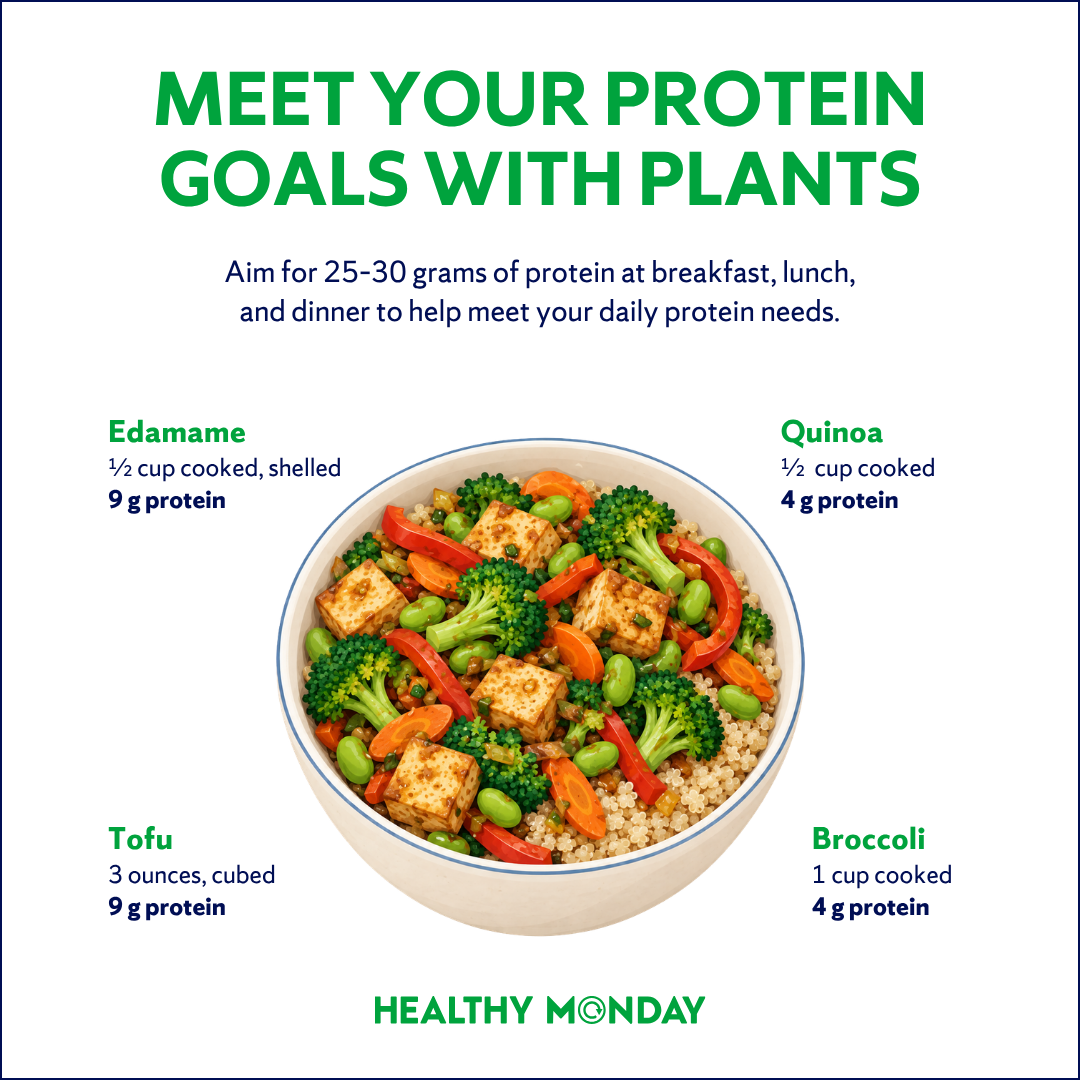
Rather than doing the math and tracking your macros, a practical starting point is to aim for about 25 to 30 grams of protein at breakfast, lunch, and dinner. Snacks can contribute to your daily total, too. Spreading it evenly throughout the day also matters—your body uses protein best when it’s not all coming in at once.
As with any dietary change, if you have specific health concerns, your doctor is always a good resource.
Plant-Based Proteins to Try
You don’t need meat to meet your protein needs. Plants are full of protein, and many of the best sources also come packed with fiber, vitamins, and minerals to support your overall health. If you’re new to plant-based eating, the Healthy Monday Beginner’s Guide to Plant-Based Protein is a great place to start.
Some accessible options to add to your plate include legumes (chickpeas, black beans); nuts and seeds (chia, hemp, almonds); meat alternatives (tofu, tempeh, seitan); whole grains (quinoa, oats); and green vegetables (spinach, kale, broccoli).
For a visual guide to plant-based protein sources, the American Heart Association has a great resource worth bookmarking.
Adding More Protein to Your Day
Meeting your protein needs can start with small swaps and additions to meals you already enjoy.
- Start with breakfast. This is where many people fall short on protein. Prepare oatmeal with soy milk and add nuts or chia seeds, or try a tofu scramble. If you eat dairy or eggs, Greek yogurt and eggs are options, too.
- Build a better lunch. If you’ve already tried meal prepping our chickpea salad or having a grain bowl, you’re already protein-maxxing at lunch. The key is making sure your midday meal includes a solid protein source alongside your grains and vegetables.
- Try a meat-free dinner. If you’re going meatless for dinner, make sure to replace the meat with a plant-based protein like lentils in pasta sauce, black beans in tacos, or tofu in a vegetable stir-fry.
- Add protein to your snacks. A handful of nuts or a small serving of edamame are easy and satisfying ways to add protein between meals.
Pay attention to portions and timing, too. A sprinkle of seeds adds some protein, while a serving of beans or tofu can provide a more substantial amount. Checking the Nutrition Facts label can help you understand how much a usual serving contributes. And remember, your body uses protein best when it is spread evenly throughout the day.
Getting enough protein can help you maintain strength, preserve muscle as you age, and feel satisfied after a meal. And with some attention to what’s on your plate, you can meet your needs while eating less meat.
This Monday, try keeping track of your protein intake for one day. Use what you learn to decide whether an adjustment would support your health goals, such as adding protein at breakfast or including a larger serving of beans at lunch.
Related Articles

Build Connection Around the Dinner Table
Learn how regular shared meals can strengthen relationships, support healthier eating habits, and create meaningful time together.
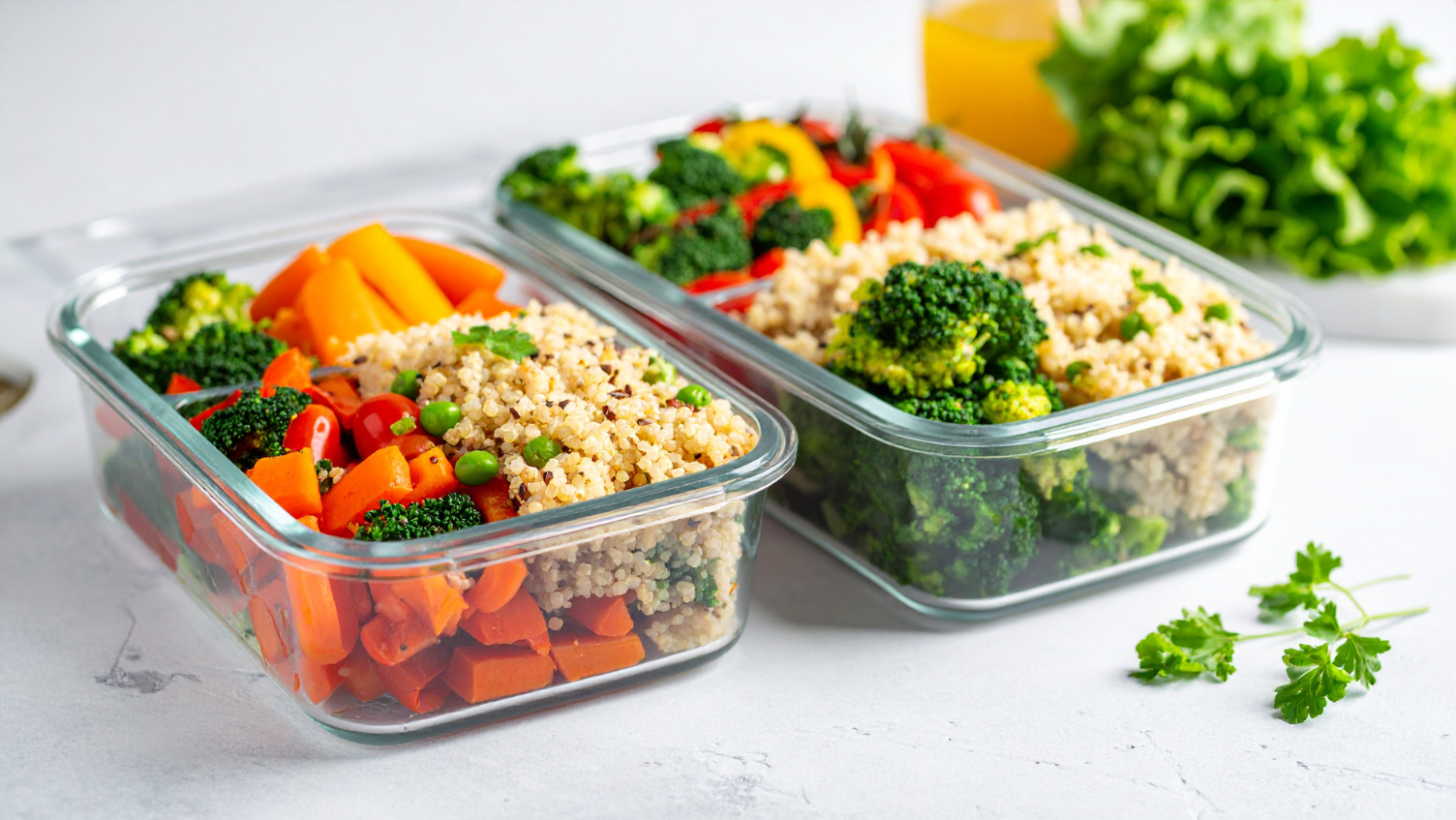
Meal Prep Made Simple: Plan Ahead for Healthier Eating
A little meal prep can make healthy eating easier during a busy week. Learn what to prep, how much to make, and how to keep meals fresh and ready to go.
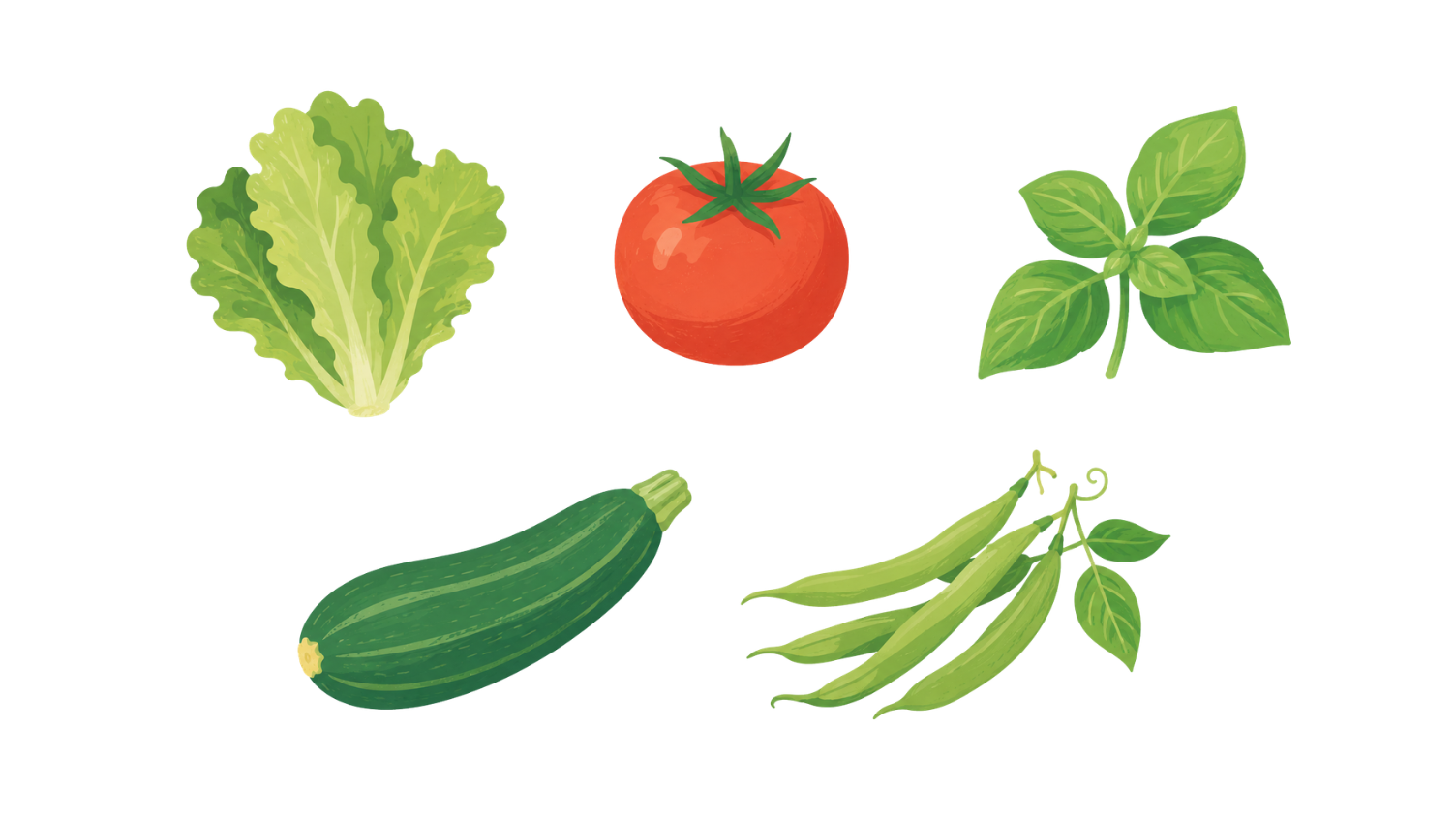
From Garden to Table: 5 Easy Plants for Healthier Eating
Growing your own vegetables can make healthy eating easier. Discover 5 beginner-friendly plants perfect for any garden or patio.