
Meal Prep Made Simple: Plan Ahead for Healthier Eating
Eating well during a busy week is easier said than done. But with a little planning at the start of the week, healthy breakfasts and lunches can already be waiting for you. That’s the idea behind meal prepping, and it doesn’t have to be complicated.
When breakfast and lunch are already taken care of, something shifts. The week feels a little more manageable, the midday slump hits a little less hard, and the choices you make when you’re busy and hungry are a little bit better.
If you’ve tried the Make a Plate method, you already know what a balanced meal looks like. Meal prepping takes it one step further, setting you up for success at the start of the week, so that eating well becomes the easy choice, not an effortful one.
What to Prep
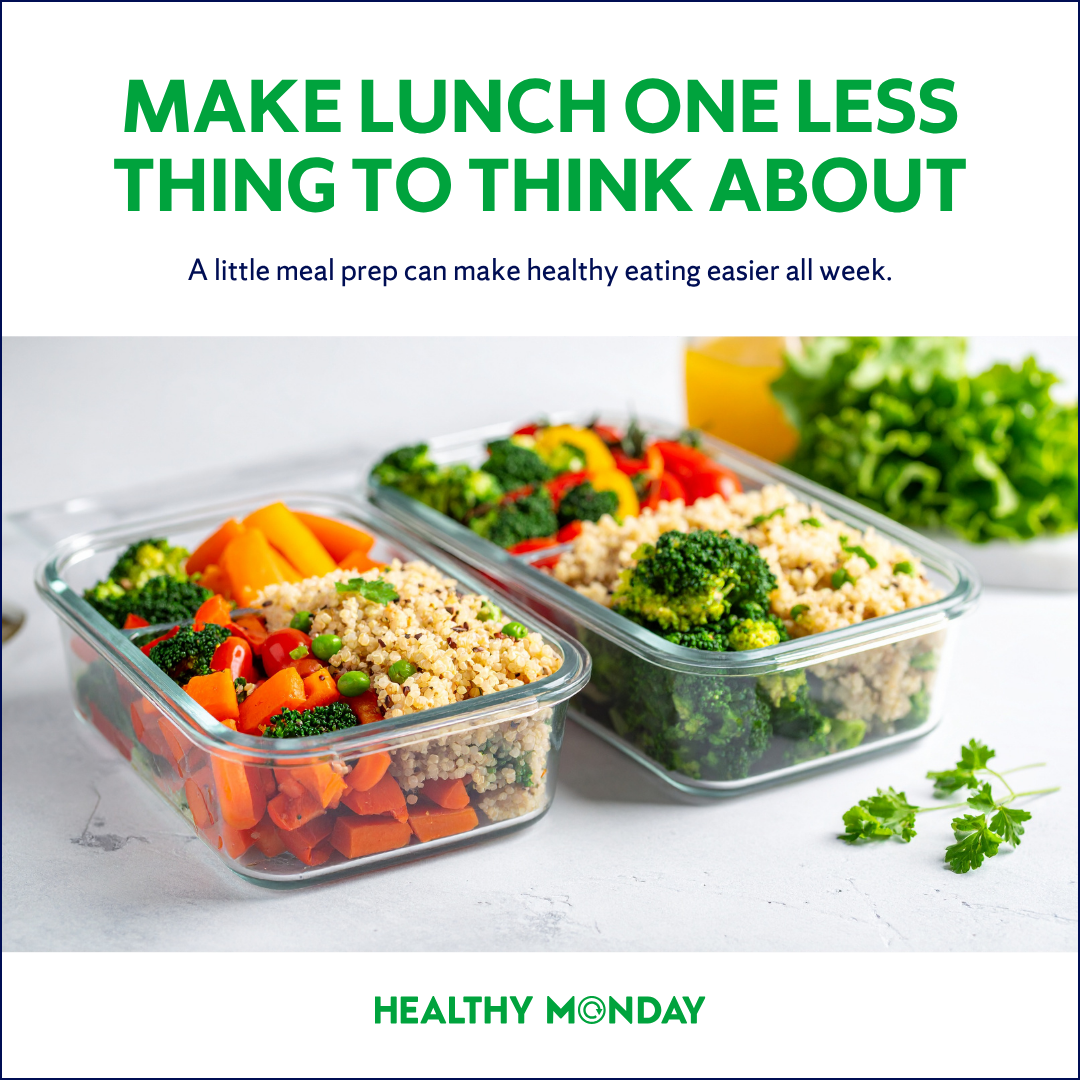
Before you head to the store, decide how many meals you want to prep and take a quick look at what you already have on hand. Then make a list of what you’ll need to fill the gaps. No matter what you’re prepping, aim to include a whole grain, a protein, and a fruit or vegetable. That balance is what keeps you full, focused, and energized throughout the day.
Breakfast
A good breakfast sets the tone for the day. But when mornings are busy, it can be tempting to skip it altogether or settle for a cup of coffee. When a healthy breakfast is already prepped and waiting in the fridge, you’re much more likely to actually eat it. Here are a few whole grains, proteins, and fruits to consider.
Whole Grains: Oats are the MVP of breakfast meal prep. They can be cooked in batches and reheated throughout the week, or prepared as overnight oats the night before. Granola is another easy option to have on hand for topping yogurt or smoothie bowls.
Protein: Greek yogurt, nut butter, chia seeds, and eggs are all easy to prep ahead and add a solid protein boost to your morning. Chia seeds pack about 5 grams of protein (plus 10 grams of fiber!) per two tablespoons and are a great addition to overnight oats or yogurt bowls.
Fruit: This is where you get to make it your own. Fresh berries, sliced banana, kiwi, or whatever is in season work beautifully. Fruits like raspberries and kiwi are also good sources of fiber, which can help you feel full and support digestive health. Frozen fruit is just as nutritious and often more convenient, especially on busy mornings. Don’t worry about having a different fruit every day. Choosing one or two favorites you’ll actually eat is a great place to start.
Lunch
A satisfying lunch is one of the best ways to keep your energy up and your focus sharp through the second half of the day. These ingredients work well in grain bowls, salads, wraps, or even soups, so you can mix things up throughout the week.
Whole Grains: Quinoa, farro, and brown rice are all excellent bases for a lunch bowl. Cook a big batch at the beginning of the week and use it throughout. They’re filling, versatile, and pair well with almost anything.
Protein: Chickpeas, lentils, black beans, and tofu are all easy to prep ahead, high in protein, and incredibly versatile. They add protein, fiber, and other important nutrients that help make meals more satisfying.
Vegetables: Roasted or raw, vegetables are the easiest thing to prepare in big batches. Roast a sheet pan of whatever looks good — bell peppers, zucchini, broccoli, or sweet potato — and mix and match throughout the week. A base of lettuce, spinach, or arugula is also easy to have on hand and pairs beautifully with quinoa, roasted sweet potato, and your favorite protein for a simple and satisfying salad. During the summer months, consider visiting your local farmers market or farm stand to pick up whatever looks freshest that week. Seasonal vegetables are at their peak in flavor and nutrition, and it’s a great way to keep your meals feeling new and interesting.
How Much to Make
If you’re new to meal prepping, start small. Try prepping just breakfasts or lunches first, or prepare a few ingredients instead of complete meals. Once it becomes part of your routine, you can always build from there.
A good starting point is to prep enough for three to four servings of each component. That gives you enough variety to mix and match throughout the week without getting bored, and keeps food fresh and safe in the fridge. You can also use different herbs, sauces, or seasonings to keep meals interesting. The same roasted vegetables can taste completely different paired with salsa one day and a lemon vinaigrette the next.
For breakfast, one batch of overnight oats made in individual jars is easy to grab and go. For grains and proteins at lunch, a cup of dry quinoa or farro yields about three cups cooked — plenty for three to four lunch bowls. A can of chickpeas or black beans provides about two servings, so having two cans on hand gives you enough protein for most of the week.
For vegetables, one large sheet pan of roasted vegetables typically yields four to five servings. Roasting two pans at once on Sunday sets you up comfortably for the whole week.
How Long Things Last
Knowing how long your prepped food stays fresh is just as important as knowing what to make. Labeling containers with the date you prepared them can make it easier to use older items first and reduce food waste.
Here’s a quick reference guide to keep your meals safe and delicious all week long.
Grains (quinoa, farro, brown rice): 4 to 5 days in the fridge, up to 3 months in the freezer
Roasted vegetables: 4 to 5 days in the fridge, up to 3 months in the freezer
Raw leafy greens (lettuce, spinach, arugula): 3 to 5 days in the fridge. Note that heartier greens like spinach, kale, and collards can be frozen for up to 3 months — delicate lettuces and arugula are not recommended for freezing.
Cooked legumes (chickpeas, lentils, black beans): 4 to 5 days in the fridge, up to 3 months in the freezer
Overnight oats: 4 to 5 days in the fridge, not recommended for freezing
Greek yogurt: Up to 1 to 2 weeks unopened; 5 to 7 days once opened, not recommended for freezing
Hard boiled eggs: Up to 1 week in the fridge, not recommended for freezing
Fresh fruit: 3 to 5 days depending on the fruit, up to 6 months in the freezer
Tofu (cooked): 4 to 5 days in the fridge, up to 3 months in the freezer
A tip for keeping produce fresh longer:
When you get home from the grocery store or farmers market, store your fruits and vegetables in a way that helps manage excess moisture. For produce you plan to wash ahead, make sure it’s thoroughly dried before storing it in reusable containers lined with a paper towel. Delicate fruits like berries are best washed just before eating. The paper towel absorbs excess moisture, which is the main culprit behind wilting and spoiling. This simple step can extend the life of your produce and makes grabbing ingredients throughout the week much easier.
Two Simple Recipes to Try
To get you started, here are two easy, plant-based recipes that are perfect for batch prepping at the start of the week. Both are simple, satisfying, and designed to mix and match with everything in your fridge.
Overnight Oats
(Makes 4 servings)
Ingredients:
- 2 cups rolled oats
- 2 cups milk of your choice
- 4 tablespoons chia seeds
- 2 tablespoons honey or maple syrup
- 1 teaspoon vanilla extract
- Your favorite fruit for topping
Instructions:
Divide the oats evenly between four jars or containers. Add the milk, chia seeds, honey or maple syrup, and vanilla extract. Stir well to combine. Seal the jars and place them in the fridge overnight. In the morning, give it a good stir, add your favorite fruit on top, and breakfast is ready.
A note on fruit: Fresh berries, sliced banana, mango, or peaches all work beautifully. In the summer, this is a great moment to use whatever looked good at the farmers market or farm stand that week. Frozen fruit works just as well—just add it the night before and let it thaw overnight in the fridge.
Chickpea Salad
(Makes 4 servings)
Ingredients:
- 2 cans of chickpeas, drained and rinsed
- 2 stalks of celery, finely chopped
- 2 tablespoons olive oil
- 1 tablespoon lemon juice
- 1 teaspoon Dijon mustard
- Salt and/or pepper
- Fresh herbs like parsley or dill, for added flavor
- Whole grain bread or crackers for serving
Instructions:
Drain and rinse the chickpeas and add them to a large bowl. Use a fork or potato masher to mash about half of them, leaving the rest whole for texture. Add the celery, olive oil, lemon juice, and Dijon mustard. Stir well to combine and season with salt and pepper. Top with fresh herbs if you have them. Serve on whole grain bread, crackers, or over a bed of lettuce.
Store in an airtight container in the fridge for up to four days. Give it a quick stir before serving.
Make Your Week a Little Easier
Meal prepping is one simple way to make healthy eating easier. A little planning and preparation ahead of time means you’ll have balanced meals ready when you need them, whether you’re heading out the door in the morning or reaching for lunch in the middle of a busy day. And eating well becomes one less thing to think about.
Related Articles
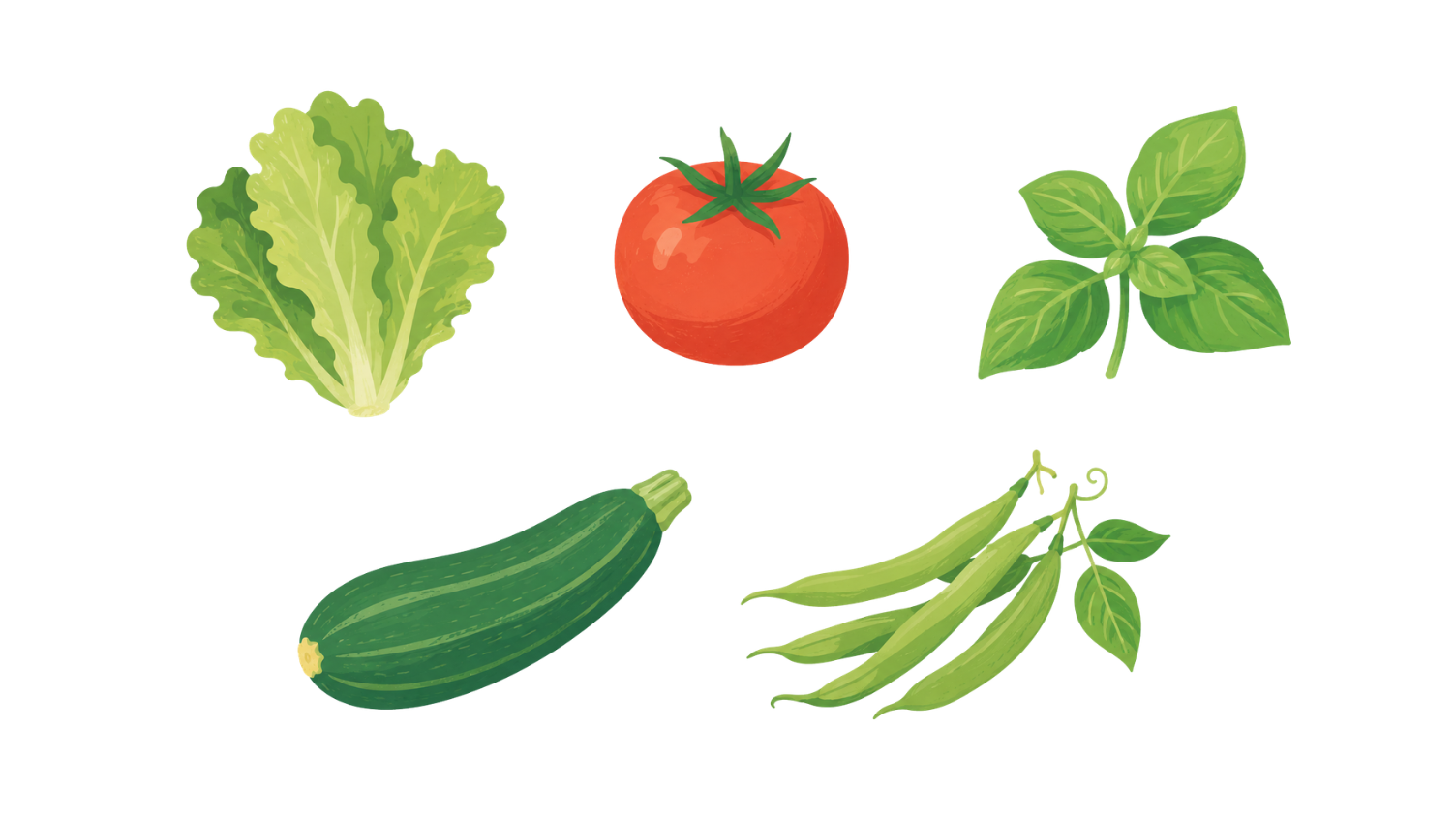
From Garden to Table: 5 Easy Plants for Healthier Eating
Growing your own vegetables can make healthy eating easier. Discover 5 beginner-friendly plants perfect for any garden or patio.
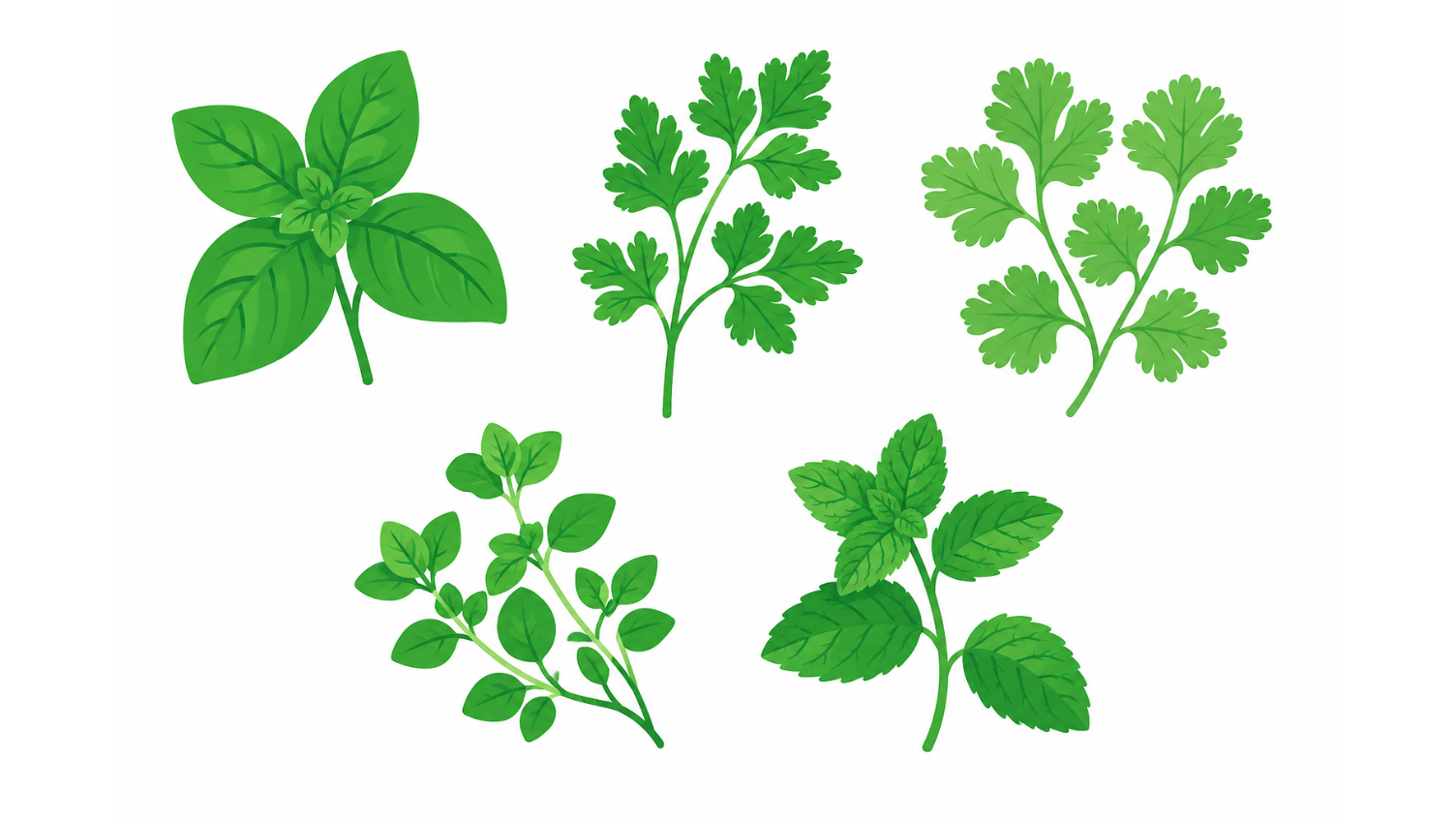
Cooking with Herbs for Healthier Meals
Discover five easy herbs to keep on hand, what foods they pair best with, and simple ways to make healthy meals more flavorful.
The Health Benefits of Berries
Learn about the health benefits of strawberries, blueberries, raspberries, and blackberries. Discover how they support heart health, brain health, digestion, and healthy aging.