

The Health Benefits of Leafy Greens and How to Prepare Them
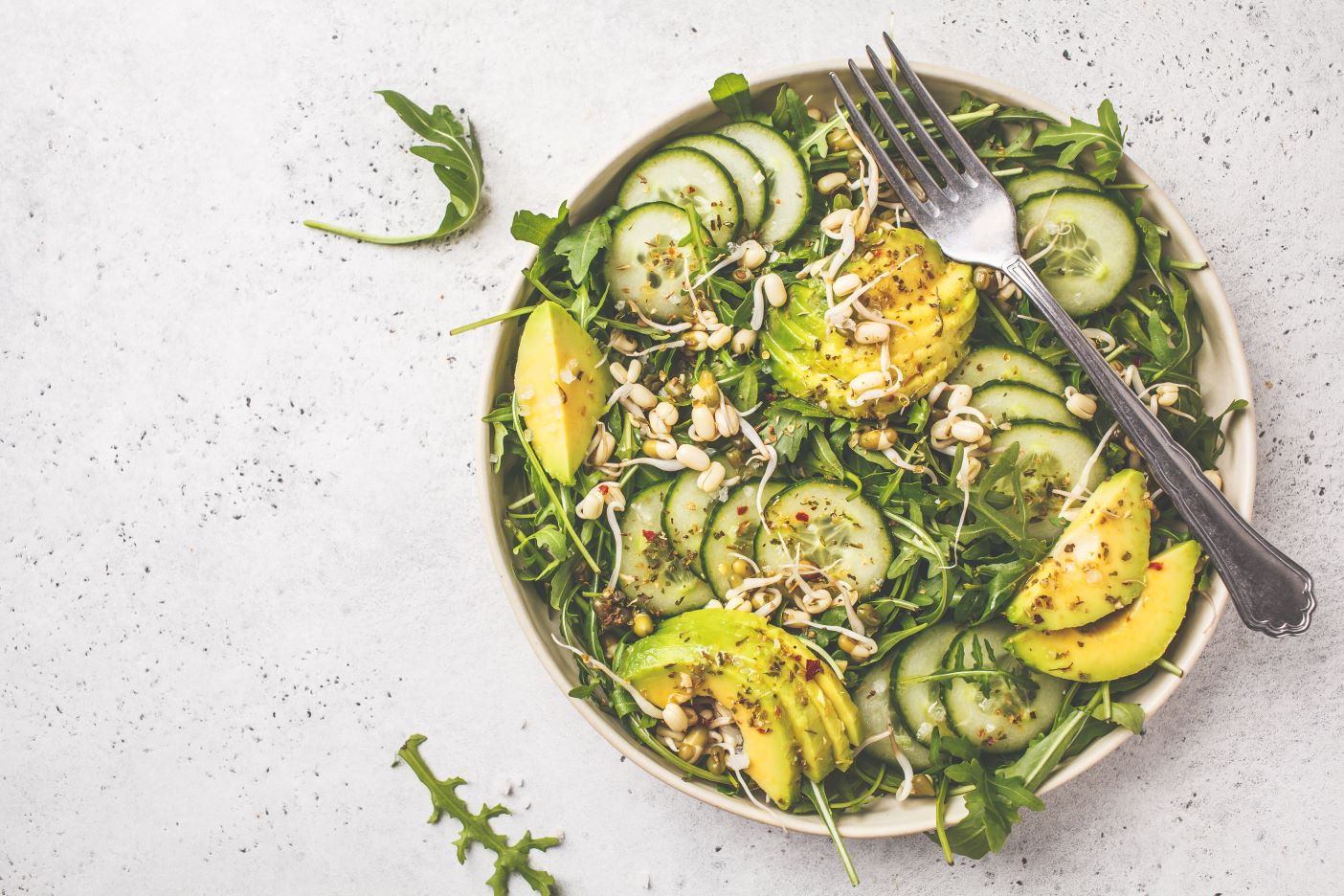
Although the term “superfood” is often tossed around, leafy greens really do fit the bill. This food group, which includes kale, cabbage, spinach, Swiss chard, arugula, collard greens, acts like a multi-vitamin for the human body. Eating a variety of these vegetables throughout the week can help manage weight, reduce the risk of heart disease, lower blood pressure, and even slow cognitive decline. But the health benefits of leafy greens don’t stop there…
Why You Should Eat More Leafy Greens
High concentration of vitamins and minerals: Greens such as kale, spinach, collard greens, and Swiss chard are all excellent sources of vitamins A, B9, C, and K, as well as minerals like potassium, iron, calcium, and magnesium. These nutrients help ward off disease and strengthen the immune system.
Rich in fiber: Leafy greens are loaded with fiber, which helps regulate bowel movements, lower cholesterol levels, and control blood sugar. These attributes are especially important for people with pre- or type-2 diabetes.
Low in calories: Compared to other food groups, leafy greens are incredibly low in calories, especially given their nutritional content. For example, one cup of cooked kale contains 43 calories, while one cup of raw cabbage has only 22 calories. Adding leafy greens to meals is a great way to manage weight.
Good source of antioxidants: Antioxidants are molecules that help protect the body against free radicals, compounds associated with multiple chronic diseases, like heart disease, type 2 diabetes, and certain cancers. Many of the health benefits associated with leafy greens and other plant-based foods are a result of their antioxidant content.
How to Eat More Leafy Greens
Now this is the easy part. Leafy greens can be added to so many different recipes, from soups and salads to slaws, braises, and quick sautés. They can serve as the meal’s main event or play the role of supporting actor to a protein. Here are some no-fuss ways to add more of these tasty and nutritious vegetables to your weekly eating plan.
Add a salad to every meal: A salad doesn’t have to be a cold bowl of lettuce. By using interesting ingredients you can add crunch, spice, tang, or sweetness to any bowl of ordinary greens. Try topping your spinach, kale, or arugula with pumpkin seeds, sliced almond, golden raisins, roasted sweet potatoes, cooked lentils/beans, or goat cheese for some extra pop.
Make a quick sauté or stir-fry: A big bag of kale or spinach may look like an intimidating amount of food, but when you cook it in a pan with some diced garlic and olive oil, this huge pile of greens wilts down to a manageable and nutrition-packed side dish. Sprinkle in some red pepper flakes or even a splash of vinegar to add another dimension of flavor.
Blend into a sauce or smoothie: With a blender, smoothie maker, or mini-food processor, you can easily turn leafy greens into a sauce or smoothie. Try adding a few handfuls of spinach, kale, or watercress to your next batch of homemade pesto, tomato sauce, or salsa verde. And for smoothies, flavors like banana and apple are great ways to hide or overpower any sort of vegetative note from the greens.
Try more plant-based meals: Plant-based cooking will inevitably lead to eating more vegetables. A meat-free burrito bowl, lasagna, casserole, or even a platter of stuffed mushrooms are all opportunities to slip in some extra greens. If new to plant-based and meat-free eating, first try committing to one day, like Meatless Monday, to keep yourself committed and on track.
Buy frozen: Frozen vegetables are often just as nutritious and more convenient than their fresh counterparts. Keeping a bag of frozen spinach, kale, collards, or mustard greens in your freezer means you can always incorporate a sprinkle into whatever you’re cooking. These bags of frozen greens really come in handy when making a soup or stew.
Related Articles

Strengthen Your Defenses with Immune-Supporting Foods
Add these immune-supporting foods to your plate to reduce inflammation and help your body defend against everyday illnesses.

Holiday Eating Habits That Feel Good
Love holiday treats but want to feel your best, too? Discover simple habits to balance your plate, savor each bite, and feel good all season long.

Bring Mindfulness to Grocery Shopping with the 6-to-1 Method
Learn how the 6-to-1 Grocery Method can help you plan meals, cut down on food waste, and bring mindfulness to your weekly shopping.