

Cooking with Herbs for Healthier Meals
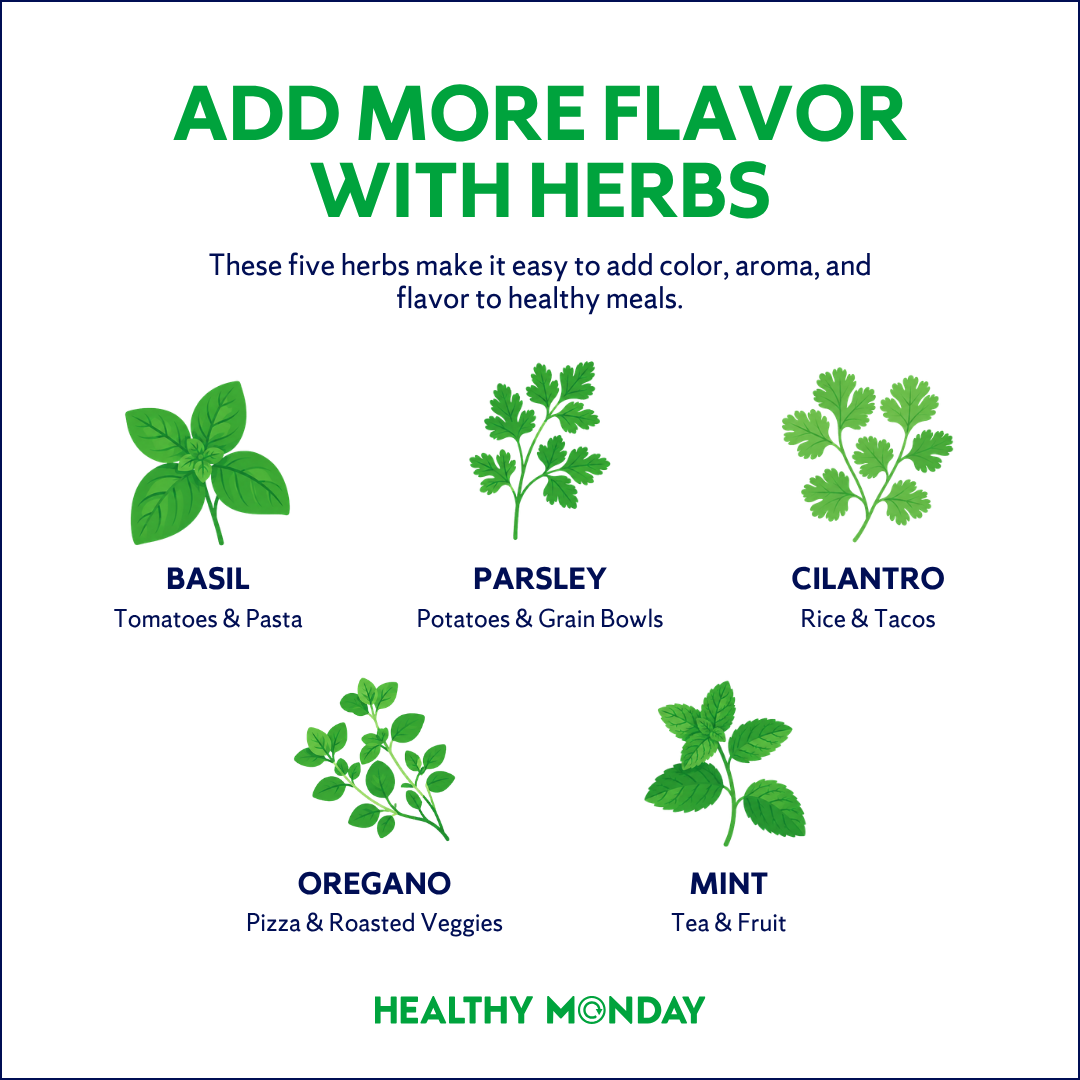
Herbs are the unsung heroes of everyday cooking. Whether fresh, dried, homegrown, or store-bought, these small but mighty plants can add flavor, color, and depth to meals with just a sprinkle or handful.
One of the greatest strengths of herbs is their ability to make simple foods more exciting. A pinch of oregano can bring roasted vegetables to life. Fresh basil can transform a pasta dish. Cilantro can brighten a bowl of rice or beans. By adding flavor naturally, herbs can help reduce the need for extra salt or rich sauces while making healthy meals more satisfying.
Though they’re often used in small amounts, herbs contain vitamins, minerals, and beneficial plant compounds. Some research suggests that certain herbs, including rosemary, may support memory and attention. Their biggest benefit, however, may be helping nutritious foods taste their best. When healthy meals are flavorful, they’re easier to enjoy and return to again and again.
Not sure where to start? These common herbs are easy to find at most grocery stores and simple to use in everyday cooking:
Basil
Known for its fresh, slightly sweet flavor, basil pairs well with tomatoes, pasta dishes, salads, and sandwiches. It comes in many different varieties and is delicious in a pesto (Genovese Basil), curry (Thai Basil), or even tea (Holy Basil).
Parsley
Mild and versatile, parsley can be stirred into soups, sprinkled over potatoes, mixed into grain bowls, or added to homemade dressings. It also pairs nicely with mushrooms and beans.
Cilantro
Popular in tacos, rice dishes, salsas, and salads, cilantro adds a bright, citrusy flavor that can elevate simple meals, though a small percentage of people find it tastes like soap.
Oregano
A pantry staple that complements roasted vegetables, pasta sauces, soups, and Mediterranean-inspired meals.
Mint
Refreshing and adaptable, mint is delicious in water, tea, salads, yogurt, and many savory dishes.
Keep Herbs on Hand
Many herbs are surprisingly easy to grow at home. A small pot on a windowsill, porch, or patio can provide a steady supply for cooking. Growing herbs also makes them easier to reach for, and convenience is often one of the keys to building a healthy habit. If growing herbs isn’t practical, stocking a few dried herbs in your pantry is another easy option. They last much longer and are always ready when you need them.
Get Cooking
Herbs shine in teas, sauces, salad dressings, marinades, and soups, but they can also take center stage in a meal. As a general rule, add dried herbs early in cooking so their flavor has time to develop, then save fresh herbs for the end, when a little goes a long way. This week, try a new herb or revisit an old favorite with one of the recipes below:
- Emerald Green Herb Oil
- Basil-eggplant stir-fry
- Green pasta sauce
- Cilantro lime rice
- Chimichurri
- Herbed potato salad
- Watermelon salad
Herbs can be quite forgiving, so don’t be afraid to experiment. The more often they make their way into meals, the easier it becomes to discover new flavor combinations and favorites. Refer to our Healthy Monday herb guide here for inspiration. There’s no better time than this Monday to begin.
Related Articles
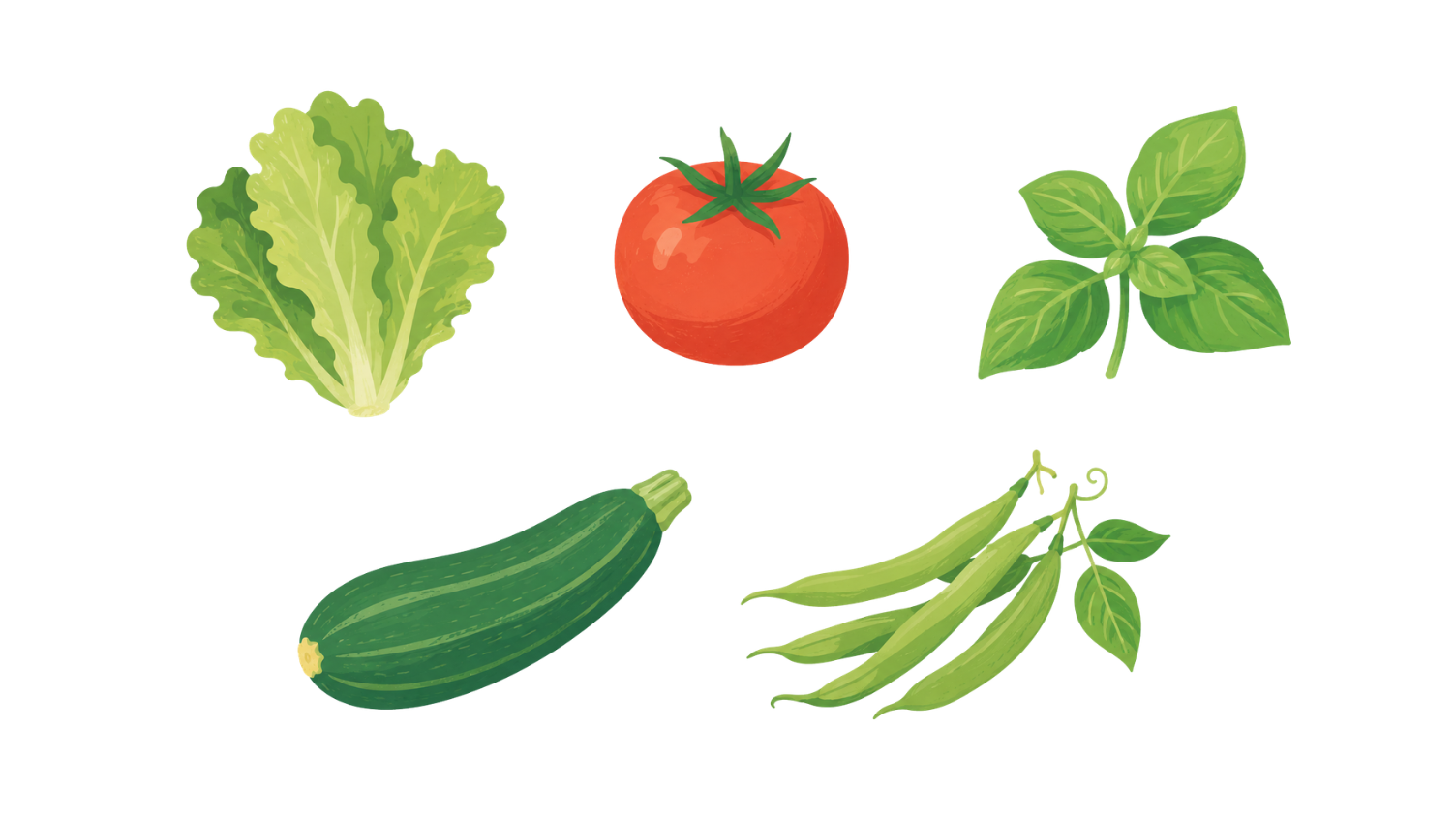
From Garden to Table: 5 Easy Plants for Healthier Eating
Growing your own vegetables can make healthy eating easier. Discover 5 beginner-friendly plants perfect for any garden or patio.

The Health Benefits of Berries
Learn about the health benefits of strawberries, blueberries, raspberries, and blackberries. Discover how they support heart health, brain health, digestion, and healthy aging.

Snacks That Keep You Satisfied
Learn how the pairing principle can help you build a healthier snack, whether you're at home, at your desk, or navigating a gas station on a long drive.