

Women’s Health by Decade: Healthy Habits That Grow With You
Women’s health is not one straight path. It shifts with hormones, careers, caregiving, stress, relationships, energy levels, and everything else life brings. What supports you at 25 may look different at 45, 65, or beyond. But the goal stays the same: to feel strong, supported, and able to keep doing the things that matter to you.
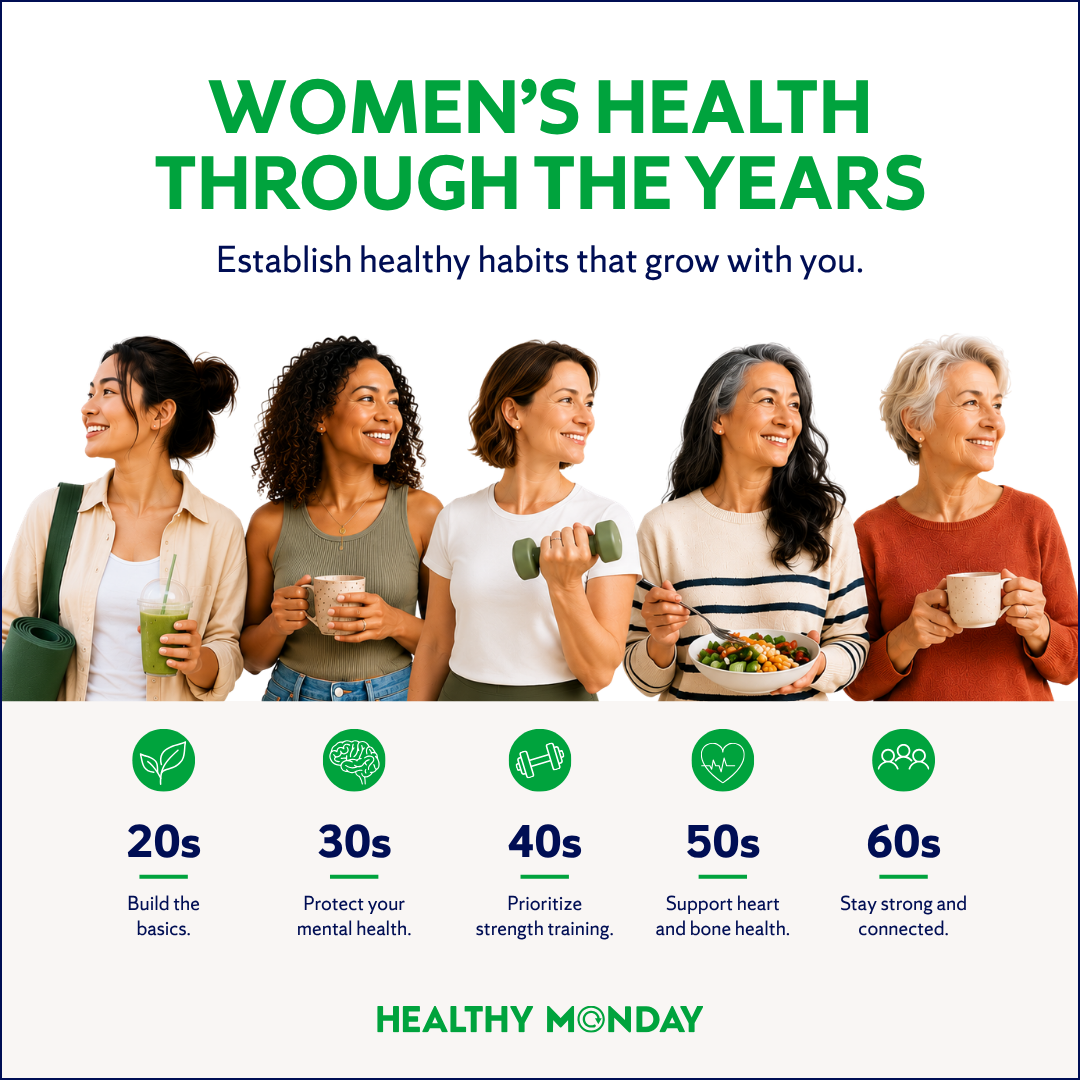
Some healthy habits matter at every age, like moving your body, eating nourishing foods, sleeping well, managing stress, staying connected, and keeping up with preventive care. Others become more important as life moves forward, like protecting bone health, building muscle, or noticing changes in energy or memory.
Use this guide as a starting point, or skip ahead to the decade you’re in now to find habits and conversations worth prioritizing.
In Your 20s: Building the Foundation
Your 20s are a great time to build the habits that support long-term health. Focus on the basics: balanced meals, regular movement, sleep, sunscreen, dental care, and finding a healthcare provider you feel comfortable talking to.
Aim for meals with colorful fruits and vegetables, whole grains, protein, and healthy fats. Learning to cook at home gives you more control over what goes into your food, making it easier to eat more vegetables, limit added sugar and sodium, and build healthy eating habits that stick.
Movement can be flexible. Walking, dancing, cycling, strength training, fitness classes, or sports all count. The best option is the one you enjoy and will actually return to.
Sleep also belongs in the foundation, even during a season of late nights and busy schedules. A short wind-down routine, a more consistent wake time, or a few screen-free minutes before bed can help support mood, focus, and immune health.
Other habits worth building now include finding stress management techniques that work for you, avoiding tobacco, and staying up to date on sexual and reproductive health checkups.
In Your 30s: Staying Ahead of the Curve
Your 30s can be busy, and health often gets pushed behind work, caregiving, family life, or the general pace of adulthood. This is a good time to protect the routines that help you stay energized and support your long-term health — especially around stress and sleep, which tend to take the biggest hits in this decade.
Anxiety and depression are common among women in their 30s, and chronic stress can affect sleep, mood, energy, and overall health over time. Regular movement, balanced meals, mindfulness, time outside, rest, and social connection can all help. The key is finding what actually works for you and making it a consistent practice rather than a last resort.
Prioritizing sleep matters too. Chronic sleep loss can affect mood, appetite, concentration, immune function, and heart health. If you’re consistently getting less than seven hours a night, it may be time to revisit your bedtime routine.
For many women, this decade may also include pregnancy, recovery after childbirth, or breastfeeding, all of which can affect sleep, stress, mental health, nutrition, hormones, and energy levels. Staying connected with your healthcare provider during these transitions can help you better understand and support your changing needs.
It’s also worth checking in on your alcohol intake and family history. Heavy drinking is more common in the 30s than many women realize and can carry long-term health risks. Understanding which conditions run in your family, including those affecting parents, grandparents, and siblings, can help guide important conversations with your healthcare provider.
In Your 40s: Proactive and Empowered
Your 40s can bring shifts in sleep, mood, energy, metabolism, and menstrual cycles. Some changes may be related to perimenopause, while others may have different causes. This is also when preventive care conversations may expand, including breast cancer screening and, by age 45, colorectal cancer screening.
Strength training deserves a more regular place in your routine during this decade. Muscle mass naturally declines with age, and resistance training can help support strength, balance, metabolism, and everyday function. It’s also worth paying more attention to nutrients that support muscle and bone health, including calcium, vitamin D, fiber, and protein.
This is also a good time to keep thyroid health on your radar. Women are more likely than men to develop thyroid disorders, and symptoms can overlap with stress, aging, or hormonal changes. Fatigue, weight fluctuations, mood shifts, or changes in heart rate are all worth mentioning during a health visit.
Making time for social connection can also feel harder in your 40s, when work demands, caregiving, and major life transitions compete for your attention. But regular time with people you value supports both mental and physical wellbeing in ways that are easy to overlook when life gets full.
In Your 50s: Turning Points and New Priorities
The 50s often bring hormonal changes related to perimenopause and menopause. Lower estrogen levels can raise the risk of heart disease, stroke, and osteoporosis, and affect sleep and mood, making daily habits especially important during this decade.
Heart disease is the leading cause of death for women, and risk rises after menopause. Staying physically active, eating a heart-supportive diet rich in vegetables, fiber, and healthy fats, and managing blood pressure and cholesterol are all meaningful ways to protect your heart now and in the years ahead. Understanding your personal risk factors and talking openly with your healthcare provider can help support earlier, more proactive care.
Bone health becomes a more active priority in your 50s. Resistance training and adequate calcium and vitamin D all help preserve bone density during and after menopause.
This is also a good time to review medications and supplements with your healthcare provider, since your health needs may shift. If you use tobacco, quitting now can still significantly reduce your risk of cancer, heart disease, and stroke.
In Your 60s and Beyond: Thriving with Intention
Healthy aging is about staying active in your own life, whether that looks like traveling, gardening, volunteering, caring for family, or simply feeling confident moving through your day.
Movement remains important in this decade, especially activities that help maintain strength, mobility, and balance. Adults 65 and older are encouraged to get aerobic activity like walking or swimming, do muscle-strengthening exercises at least two days a week, and incorporate balance work. Balance exercises can be simple, like heel-to-toe walking, standing on one foot near a counter, tai chi, or yoga, and can help support independence and reduce fall risk over time.
Eating enough protein also becomes increasingly important with age, yet many older women do not get enough. Including protein at each meal can help support strength and muscle maintenance. Nutrient-rich foods, including fruits, vegetables, healthy fats, and omega-3-rich foods like walnuts and flaxseed, may also help support brain health as you age.
Cognitive health deserves attention in this decade. Memory changes should always be brought up with a healthcare provider, but several common issues can affect thinking and memory, including medication side effects, sleep problems, depression, thyroid changes, and vitamin B12 deficiency. Raising concerns early can help you get the right support sooner.
Regular time with friends, family, neighbors, community groups, or volunteer activities can support mood, cognitive health, and overall quality of life. Connection is one of the most consistent factors in healthy aging, and it’s worth prioritizing.
This is also a good time to keep up with recommended vaccines, and speak up about changes in hearing, vision, balance, mobility, or memory.
What Matters Most
Women’s health is shaped by many things over time, including stress, hormones, family history, caregiving, chronic conditions, medications, and daily routines. Some changes are expected with age, while others deserve more attention and conversation.
No matter your decade, one of the most important health habits is showing up for yourself. Go to appointments. Ask questions. If something feels wrong, say so. If advice does not make sense to you, ask for more explanation. A good healthcare provider welcomes an engaged patient.
Healthy habits and preventive care can help support your energy, strength, and overall wellbeing through every stage of life.
Related Articles
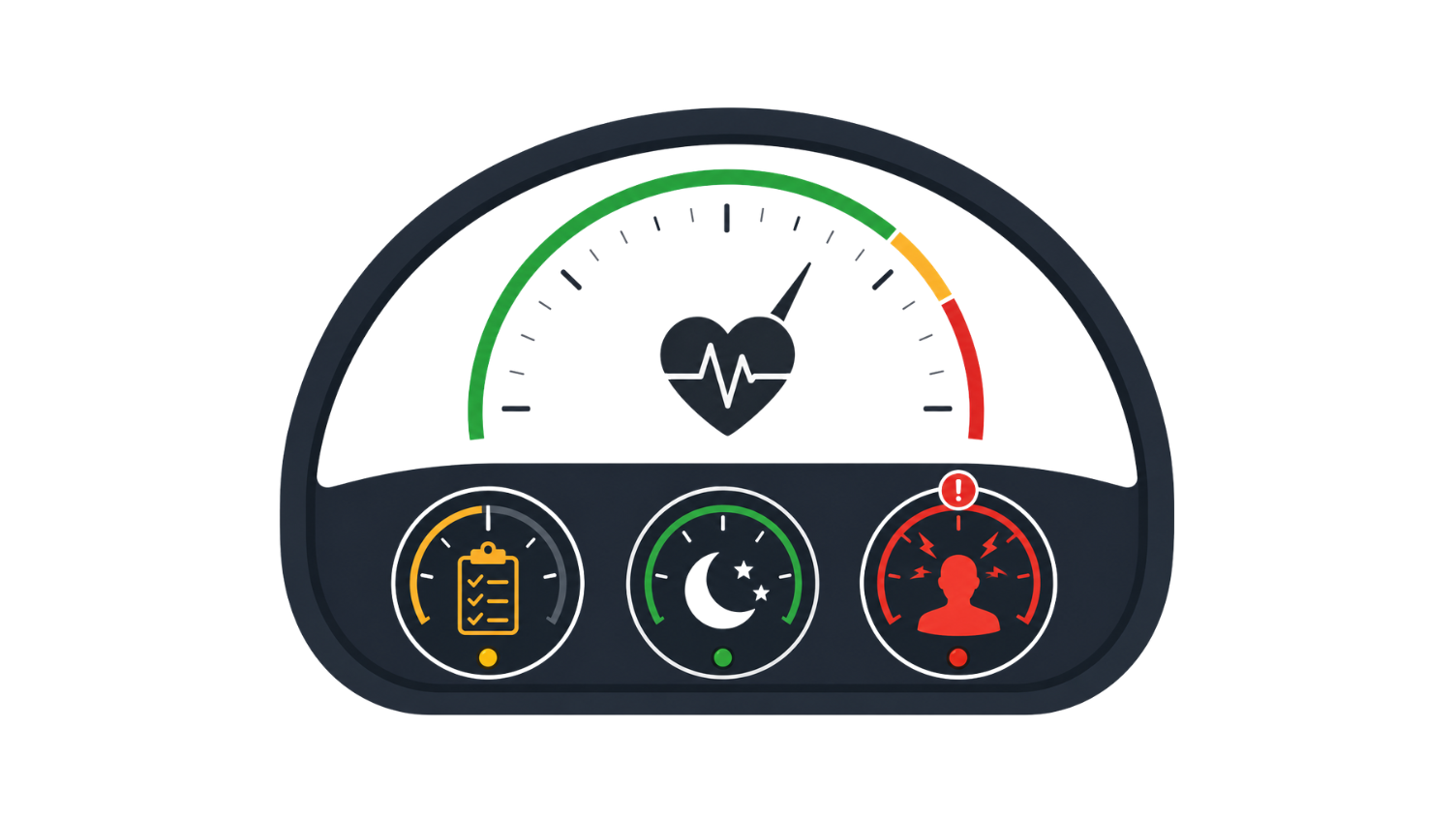
Men’s Health: The Signals Your Body Is Sending
Your body sends signals worth paying attention to. Learn three simple ways men can start taking care of themselves, one Monday at a time.
Heart-Healthy Habits for Women
Heart disease shows up differently in women. Learn key risk factors, recognize symptoms, and practice simple heart-healthy habits you can start this Monday.
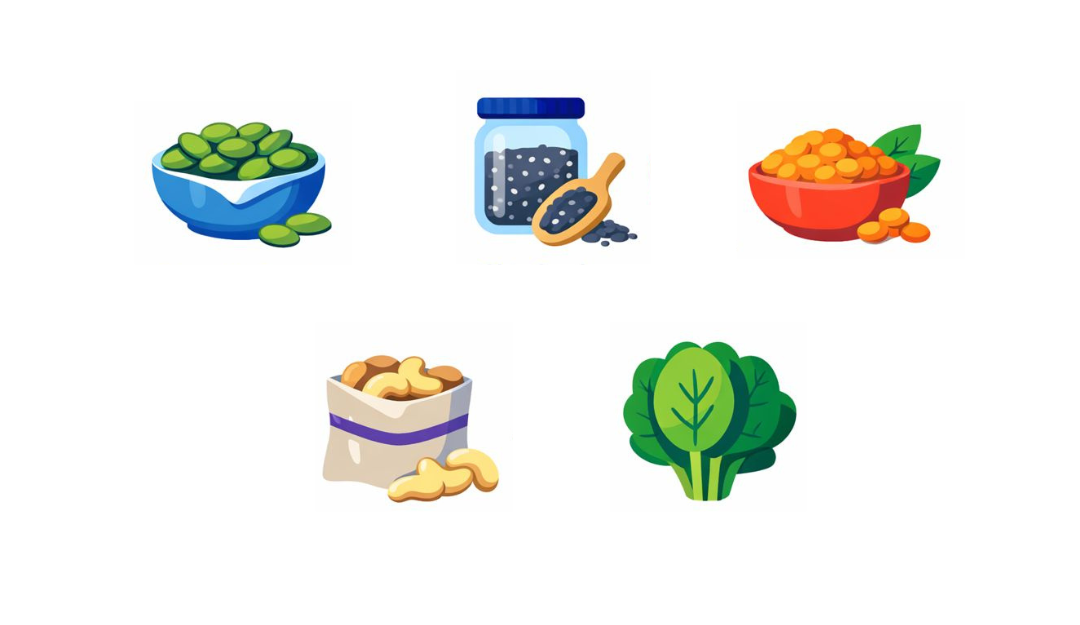
Five Foods That Support Mental Health
Learn how nutrient-rich, plant-forward foods can support mood, stress response, and overall mental well-being.