

Beat the Heat at Bedtime
Summer brings longer, hotter days and more time outdoors. And for a lot of people, a few weeks of genuinely terrible sleep. It’s midnight and you’re wide awake. The fan is running. You’ve flipped the pillow to the cool side twice already. Sleep feels close and then it doesn’t.

It turns out that struggle is biological. To fall asleep, your body needs to lower its core temperature by one or two degrees–a biological signal it’s time to rest. When your room is too warm, your body can’t finish that job, making it harder for you to sleep.
And it’s not just about feeling uncomfortable. Heat appears to be particularly disruptive to REM sleep, the stage responsible for emotional processing, memory, and restoration. During REM, your body’s ability to regulate its own temperature is largely switched off, leaving you at the mercy of the room around you.
The good news is that your body’s cooling system is something you can work with, not just wait on. And one strategy that may help might surprise you.
A warm bath or shower taken one or two hours before bed may help you sleep better. Not despite the heat, but because of it. While it seems counterintuitive, the warm water encourages your body to move heat toward the skin. When you step out, that heat is released, helping support the natural drop in body temperature that occurs before falling asleep. Research suggests that people who bathe in warm water before bed fall asleep faster and report better sleep quality overall. That said, this works best when your bedroom environment is already reasonably cool. If your room is very warm, start with the environment tips below first.
The warm bath is just one example of how small, intentional changes to your evening routine can work with your body’s natural cooling process. Here are a few more to try.
Cool Down Your Environment
Blackout curtains do more than block morning light. They also keep heat from building up during the day, giving your bedroom a head start on cooling before bedtime. If you have air conditioning, aim for around 65-68 degrees. If you don’t, a fan positioned to pull warm air out of the room rather than just circulate it can make a real difference.
Choose Breathable Fabrics
Your sheets and pajamas matter more than most people realize. Lightweight, breathable materials like cotton allow your body to release heat through your skin the way it needs to. If you sleep on a memory foam mattress, it’s worth exploring a cooling mattress pad or breathable sheets designed for warm sleepers.
Consider Your Evening Routine
Exercise raises your core temperature, which is great during the day and less helpful right before bed. Try to finish any vigorous activity at least a few hours before bed time. The same goes for meals–eating too close to bedtime raises your metabolism and your temperature along with it.
It’s worth noting that not all heat-related sleep struggles have the same root cause. Hormones, metabolism, anxiety, and certain medical conditions can all make you run warmer at night. If your sleep is consistently disrupted by heat and lifestyle changes don’t seem to help, it’s worth a conversation with your doctor.
You can’t control the summer heat. But you can give your body what it needs to cool down. This Monday, pick one way to help your body cool down before bed. Try lowering your AC or turn the fan on. Draw the blackout curtains before you leave for work. Take a relaxing warm bath before bed. Your best summer sleep might be closer than you think.
Related Articles
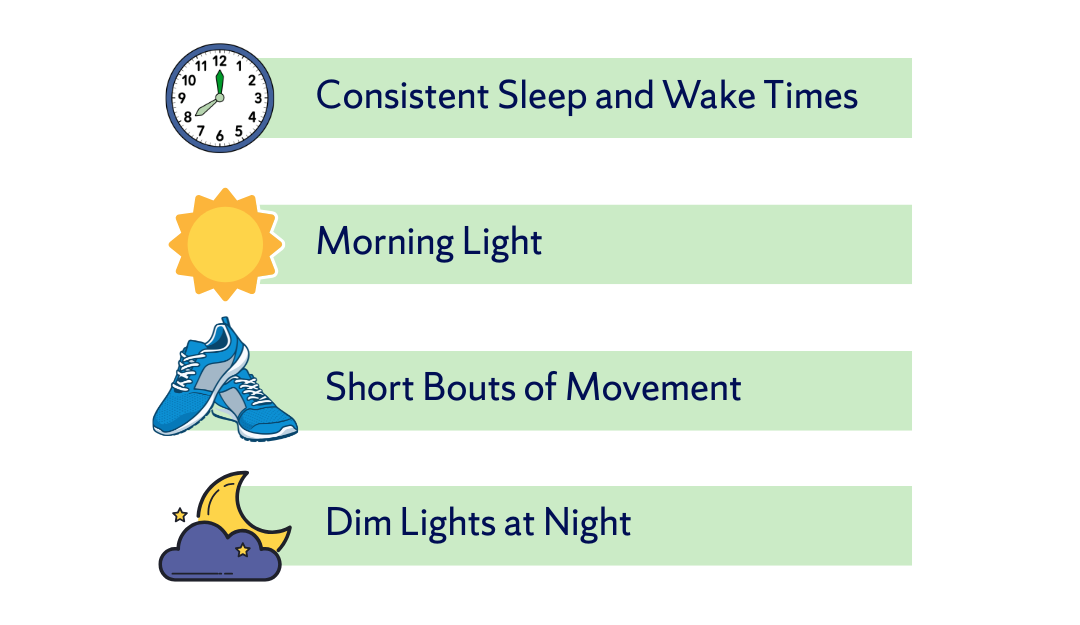
Find Energy and Feel Rested in the Winter Months
Shorter daylight hours can affect energy and sleep. Discover simple habits to support your energy and mood this winter.

Relax and Restore with Seven Types of Rest
Discover the seven types of rest and why sleep is only part of the picture. Learn how physical, mental, and emotional rest can help reduce stress, boost energy, and support overall well-being.
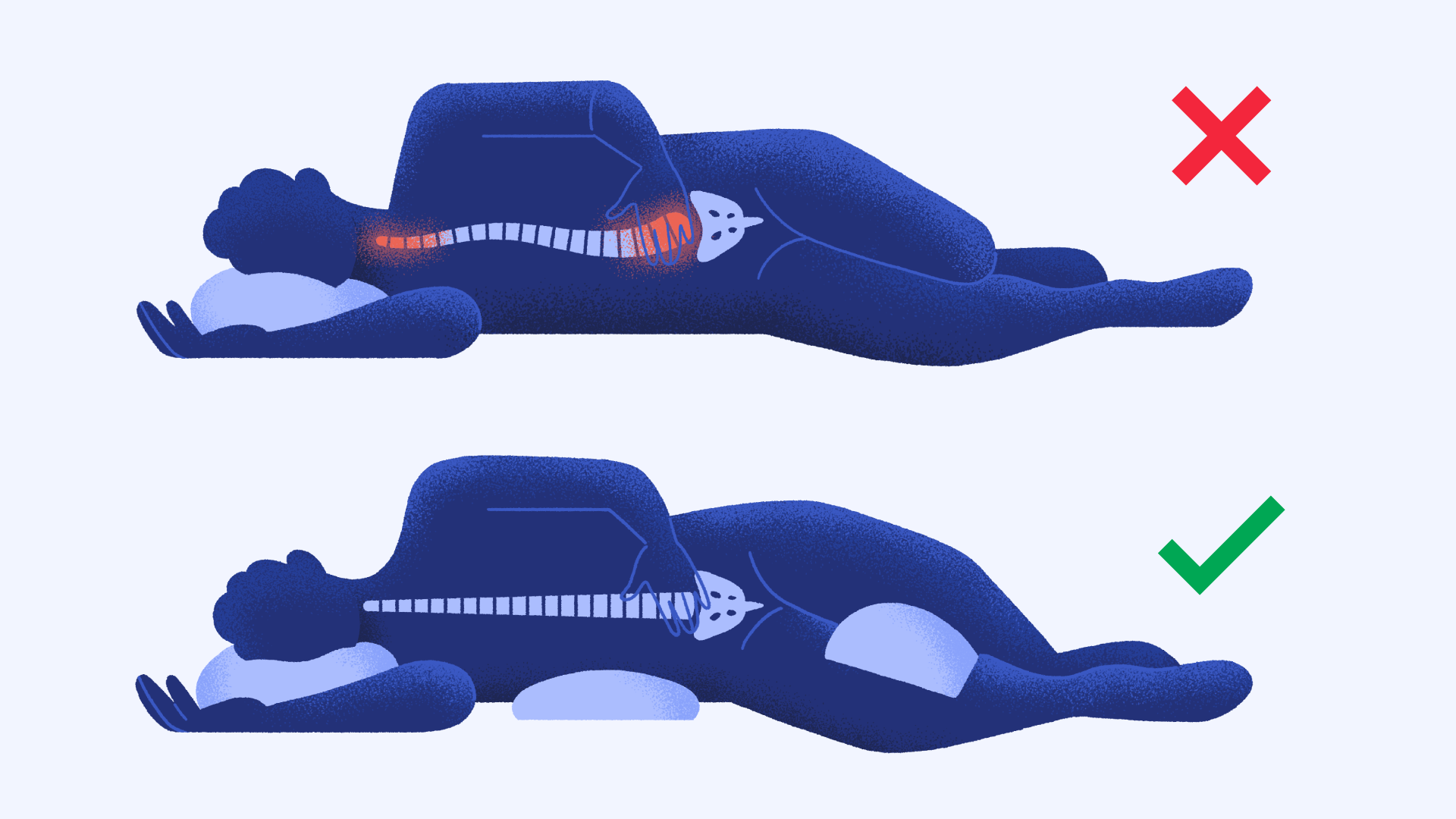
How to Improve Sleep Quality with Sleep Ergonomics
Learn how sleep ergonomics, including pillow placement, mattress choice, and posture, can reduce pain, improve alignment, and boost sleep quality.