

Find Energy and Feel Rested in the Winter Months
Winter has a way of slowing things down. Colder temperatures, shorter daylight hours, and shifts in routine can leave many of us feeling less energized and craving more rest. These seasonal changes can influence everything from sleep to motivation. Fortunately, a few simple habits can help support your energy and mood during the winter months.

Aim for Consistent Sleep and Wake Times
It’s no secret that good sleep is crucial for both energy and rest. One major element of healthy sleep is making sure you fall asleep and wake up at relatively consistent times. Research shows that irregular sleep schedules are linked to depression, changes in blood pressure, poorer sleep quality, and more. Try choosing a realistic bedtime and wake-up time you can stick with most days, even on weekends.
Catch Some Morning Rays
Morning light helps regulate your internal body clock, which influences sleep, energy, and mood. Research suggests that exposure to natural light earlier in the day can improve sleep quality, reduce risk of depression, and increase daytime alertness. To make this a habit, bundle up and try spending 10-20 minutes outside in the morning, even if it’s cloudy. A short walk, sitting near a window, or stepping outside with a warm drink all count.
Stay Active
Though it can be more difficult in the colder, darker months, getting consistent physical activity is crucial for both your physical and mental health, including your sleep quality. If longer workouts feel hard to fit in when energy is low, try short bouts of movement throughout the day, such as exercise snacks, yoga, or a brisk walk. If possible, aim to finish more intense workouts earlier in the day, since late-night vigorous exercise may interfere with sleep for some people.
Dim the Lights Before Bed
Bright light in the evening, especially from screens, can delay your body’s natural sleep signals. Reducing light exposure before bed can help you fall asleep more easily and wake up feeling more rested. Try lowering lights and limiting screen use about one to two hours before bedtime. Reading, listening to music, or light stretching can be helpful alternatives.
Use this Monday as a fresh start to experiment with one or two of these habits. Small adjustments can make winter days feel more manageable and nights more restful.
*Seasonal changes in mood and energy are common. If you notice significant or persistent changes in how you feel during fall or winter, consider reaching out to a health professional for support.
Related Articles
Beat the Heat at Bedtime
Discover how cooling your sleep environment and adjusting your bedtime routine can help you fall asleep faster and sleep more comfortably.

Relax and Restore with Seven Types of Rest
Discover the seven types of rest and why sleep is only part of the picture. Learn how physical, mental, and emotional rest can help reduce stress, boost energy, and support overall well-being.
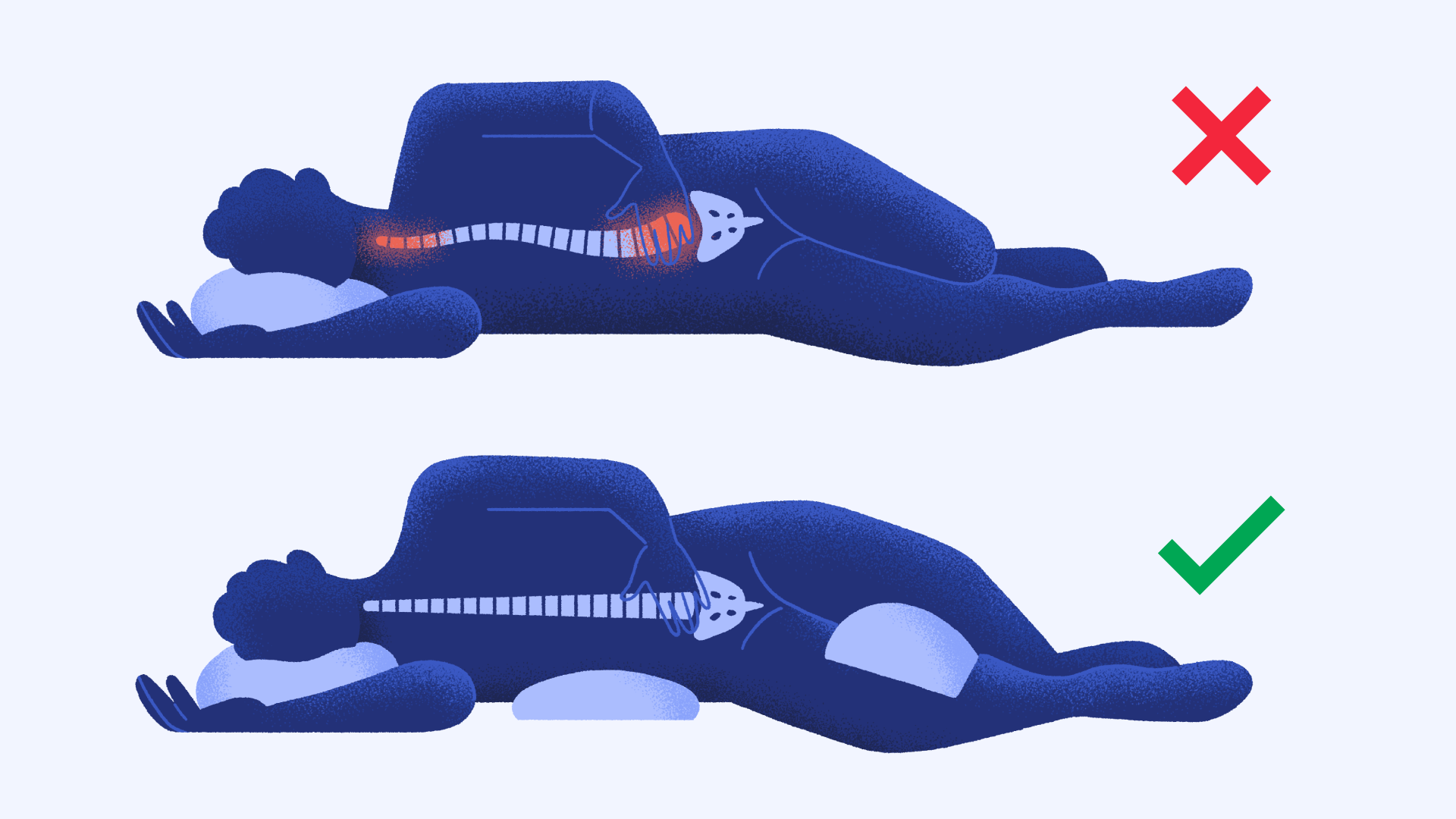
How to Improve Sleep Quality with Sleep Ergonomics
Learn how sleep ergonomics, including pillow placement, mattress choice, and posture, can reduce pain, improve alignment, and boost sleep quality.