

NYU Langone Health | Cardiac Rehabilitation Program


See advice from our heart and lung experts, then fill in your weekly check-in below.
(Approximate reading time: 3-5 minutes)
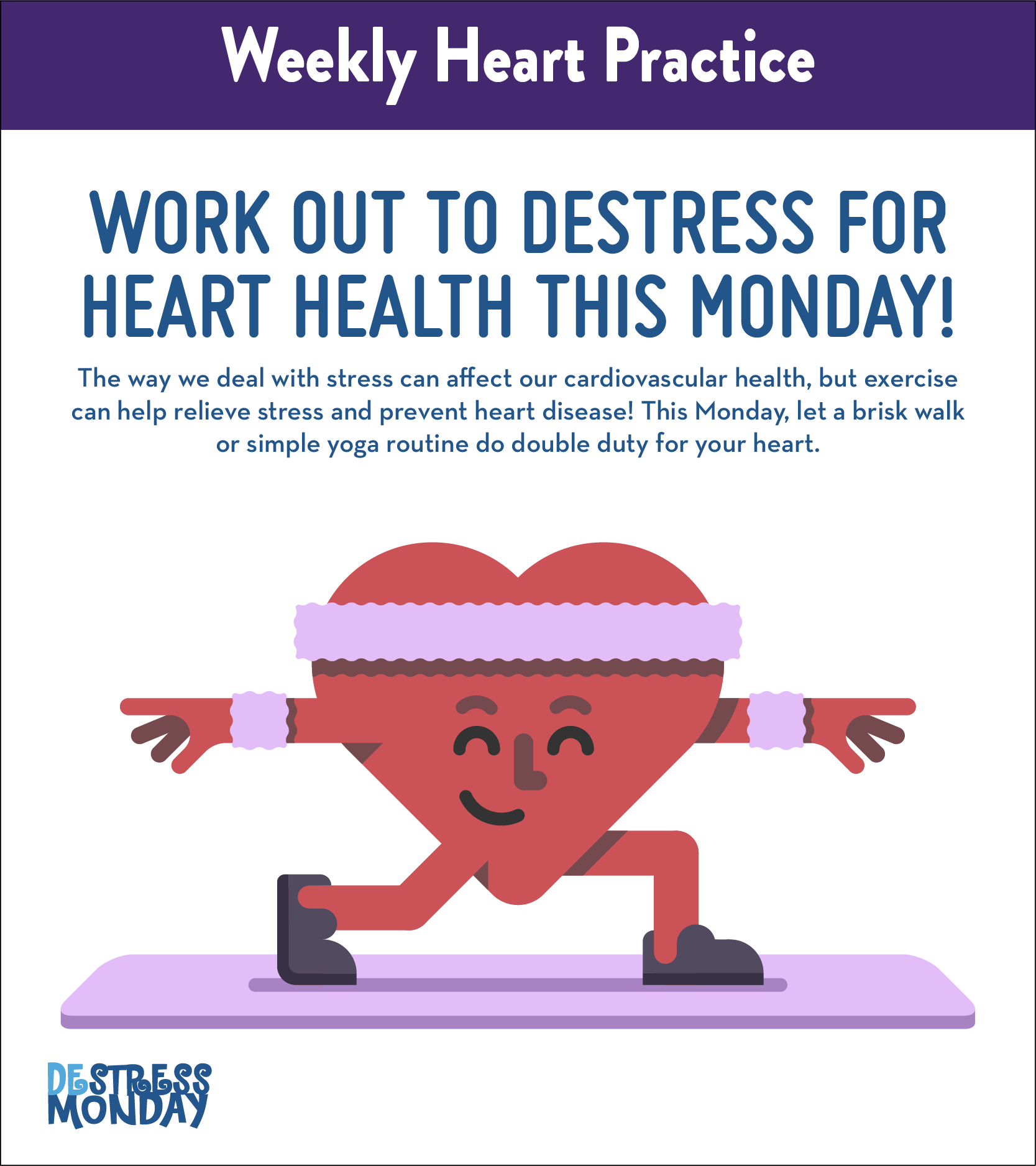
Your Heart and How It Works!
1» It is important to understand how your heart works. This helps you keep it healthy and maintain a healthy heart rate and blood pressure.
This week check your numbers and write down your target heart rate and blood pressure ranges!
2» Learn how to take your heart rate –
- Place two fingers on the thumb side of your wrist
- When you feel your pulse (heartbeat), count the number of beats in 15 seconds
- Multiply this number by 4 to calculate your beats per minute
3» Take your blood pressure –
There are a few ways you can take your blood pressure: Most local pharmacies have a machine on site, or you can take it at home with your own machine. You will also have it taken at your next medical appointment.

In order to take care of your heart, you need to know how it works. There is a lot of information to understand. Learn more about how your heart works by visiting the American Heart Association website.
4» The heart is a pump, which circulates blood throughout your body.
It has 4 chambers: a right and left atrium, top of the heart, and a right and left ventricle, bottom of the heart.
Heart valves separate these chambers. The valves open and close to control blood flow.
During each cardiac cycle or heartbeat, the blood on the right side of heart is sent to the lungs where carbon dioxide is removed and oxygen is added. The left side of the heart sends the oxygen and nutrient rich blood to the body. At rest a normal heart beats between 60 – 100 times per minute.
The heart requires its own fuel or blood supply from the coronary arteries to do this work.
When the heart is resting this is diastole, and when the heart beats this is systole.
These two phases are how your blood pressure is calculated.
Pressure in vessels during systole over diastole (for example, 110/70 mmHg).
Your Lungs and How They Work!
Understanding how your lungs work can help you keep them strong with a healthy breathing rate and oxygen levels.
This week check your numbers and write down your breathing rate and oxygen level ranges!
1» Check your breathing rate
Learn how to take your breathing rate. Follow these steps:
- Stand in front of a mirror.
- Observe your belly rise and fall (breathing rate). Then count the number of breaths in 15 seconds.
- Multiply this number by 4 to calculate your breaths per minute.
2» Check your oxygen level
There are 2 ways you can check your oxygen level:
- At home with your own pulse oximeter.
- Have it taken at your next doctor’s appointment.

3» To take care of your lungs, you need to know how they work. We have a simple summary for you to understand how vital they are:
- The lungs are spongy organs that help you breathe. They take oxygen from the air and move it into the body when you inhale (breathe in), and they remove carbon dioxide from the body when you exhale (breathe out). Carbon dioxide is a waste gas that needs to leave the body.
- You have 2 lungs – one on each side. Your right lung has 3 lobes and your left lung has just 2 lobes. Your left lung is smaller because it shares space with your heart.
- Each lobe is like a balloon with bronchial tubes. These tubes help air move through and are lined with tiny hairs called cilia. These hairs help get rid of mucus inside your lungs when you cough.
- Your bronchial tubes are then broken into smaller branches called bronchioles. At the end of the bronchioles are air sacs called alveoli. This is where oxygen and carbon dioxide are exchanged.
- Each alveoli wall is lined with tiny blood vessels called capillaries. Blood returning to the heart and lungs from the muscles and organs has low oxygen levels (deoxygenated) and high carbon dioxide levels. In the alveoli, oxygen from the oxygen-rich air breathed in passes through the alveoli wall into the blood capillary and attaches to the red blood cells. Carbon dioxide in the blood from our organs passes in the opposite direction – from the blood to the alveoli to be exhaled from your lungs.
- When you inhale, oxygen fills the alveoli (air sacs) and is absorbed into your blood stream. At rest, a normal breathing rate is between 12 to 20 breaths per minute.
- Your diaphragm is a large flat muscle under your lungs. When you inhale it pushes down towards your abdomen (belly) to bring in air and expand your lungs.
- Your ribs are curved flexible bones that move up and out. They look like two cages – one on each side. They support and protect your chest (or thoracic) cavity. This cavity is the space that contains vital organs such as your heart and lungs.
4» Oxygen saturation level (written as SpO2) is the amount of oxygen carried in your blood cells. It is measured by a simple device called a pulse oximeter. This device is placed on your finger (or sometimes ear).
The pulse oximeter gives a quick reading of your heart rate (HR) and your oxygen saturation level (SpO2). For example, HR 75 and SpO2 94%.
You can learn more about your lungs by visiting the American Lung Association website.
Weekly Check-In
Please tell us about your progress! Your feedback helps us improve the program.
Resource Links
The American Heart Association teaches us more about how a healthy heart works.
Everything you need to know about your heart rate (pulse).
The American Lung Association teaches us more about how healthy lungs work.