
Pandemic Habits: The Bad, the Good, the Better
For the past two years the COVID-19 pandemic has disrupted normal life, forcing many individuals to adopt new routines and habits — not all of them good.
A recent podcast from WNYC, a member station of NPR, highlighted that there’s been a drop-off in healthy behaviors since the pandemic, citing research from Nielsen that in 2021, people in the U.S. spent about $47 billion on beer products, 20 billion on wine and 21 billion on spirits. Although today we’re seeing these numbers start to decline, they are still not at pre-pandemic levels, which indicates that people are still drinking more at home, whether for leisure or to cope with pandemic-induced anxiety or stress.
 These behaviors are also leading to more significant health issues. Because along with a greater reliance on alcohol, people have also become more complacent when it comes to exercise and physical activity. Data from the CDC shows that, since the pandemic, people have gained weight, with other research indicating that during the early months of lockdown, people were gaining as much as a pound a week. An additional study published in the journal Circulation found a steady rise in blood pressure among some 500,000 people across 50 states, beginning after March of 2020.
But despite reports of a rise in unhealthy behaviors, many Americans have reported using their time during the pandemic as an opportunity to start new healthy habits. According to a new nationally representative survey conducted by Data Decisions Group (DDG) and The Monday Campaigns, 89% of respondents plan to continue healthy habits or practices they started during the pandemic. The survey showed that people are taking advantage of more flexible work hours to spend more time with family, exercise outside, and continue holistic stress management practices, as well as utilize emerging healthcare technology, such as telemedicine and virtual care.
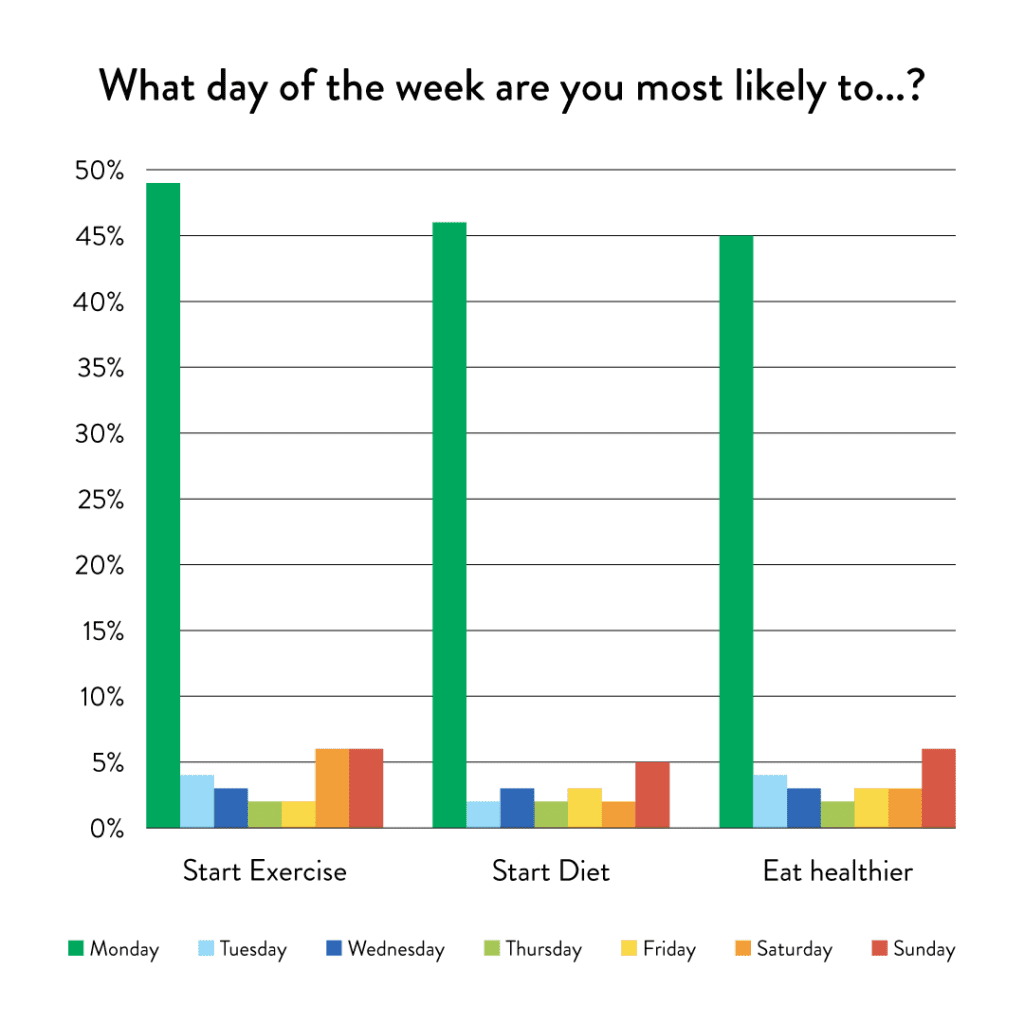
A growing body of evidence suggests that healthy thinking and behavior is synchronized to the week, with Monday being the day people are most “open to buy” health. Using this “Monday effect” can be a powerful leverage point for public health promotions as well as a personal cue to help people stay on track with their health goals. Using The Health Monday Check-Up tool is one way that individuals can stay dedicated to their long-term goals by committing to health them every Monday.
Related Articles

Partner Spotlight on NYU Langone’s Healthy Monday Projects
2025 Lerner Innovation Awards honor NYU Langone's Healthy Monday projects for patients, caregivers, and staff.