
The Importance of Reduced Sodium Intake
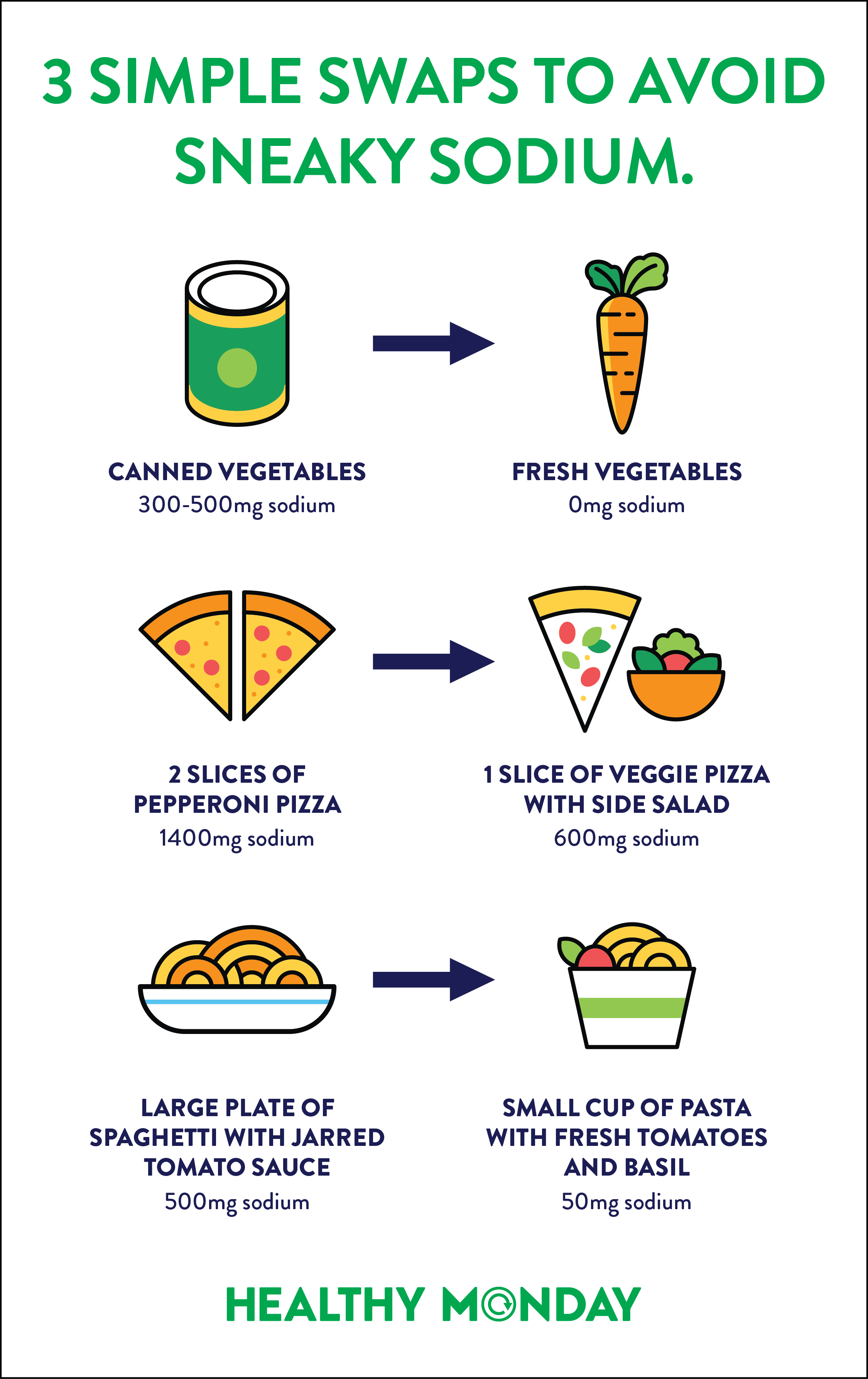
The typical American diet is filled with sodium, with the average individual’s intake being nearly double the recommended daily allowance. High-sodium diets are associated with a number of negative health outcomes, such as an increased risk of cardiovascular disease, high blood pressure, osteoporosis, kidney disease, and certain cancers. Managing salt intake involves eating more whole foods and less take out, fast-food, and processed foods, like processed meats and cheeses, canned and frozen foods, soups, condiments, sauces, baked goods, and fast-food.
5 Ways to Cut Down on Sodium
Look for Low Sodium Labels
When buying packaged foods, especially canned beans and soups or frozen foods, look for options that say “low sodium” or “reduced sodium” on the label. These have at least 25 percent less sodium than the regular product. Aim to stay below the Dietary Guidelines for Americans limit of 2,300 mg of sodium per day, which is equal to about 1 teaspoon.
Cook at Home
Pre-packaged, ready-to-eat meals, and restaurant dishes tend to be very high in sodium. Salt is often used to mask off-flavors and make foods more craveable. Cooking meals from scratch allows a person to control the amount of salt going into each dish. This allows for easy ingredient swaps, like yogurt instead of mayonnaise or balsamic vinegar and olive oil in place of a salty salad dressing. Using dried ingredients, like beans, peas, and whole grains is another good way to cut down on sodium.
Fill up on Fresh Foods
Fresh ingredients contain a fraction of the sodium as pre-packaged, canned, or processed foods. When looking for a snack, opt for whole foods, like fruits, vegetables, and unsalted nuts. A bowl of berries, slices of bell peppers, and roasted chickpeas are all good options. Adding fresh ingredients to otherwise salty dishes can also help reduce the sodium content per serving.
Add a Side Salad
A simple way to cut down on sodium intake is to balance the plate with foods containing no salt at all. If ordering a sandwich or pizza slice, go with a side salad instead of French fries, soup, or onion rings. Salads come in many shapes and sizes, so try incorporating interesting ingredients, like fruits, nuts, or roasted vegetables.
Use Alternative Spices and Seasonings
Salt rounds out the flavor of foods, but it’s not the only way to make meals exciting. Look at alternative spices and seasonings to breathe life into recipes. Hot sauces, vinegars, fresh herbs, citrus juice/zest, or other dried seasonings, like curry, cumin, garlic, ginger, or rosemary are all excellent options. No-salt seasoning blends are also available at most supermarkets.
Remember to always check nutrition labels before buying any pre-made or processed foods. Ingredients like sauces, dips, salad dressings, meats, breads, and vegetable juices all may contain a surprising amount of sodium.
Related Articles

Snacks That Keep You Satisfied
Learn how the pairing principle can help you build a healthier snack, whether you're at home, at your desk, or navigating a gas station on a long drive.
Electrolytes and Why Water Isn’t Always Enough
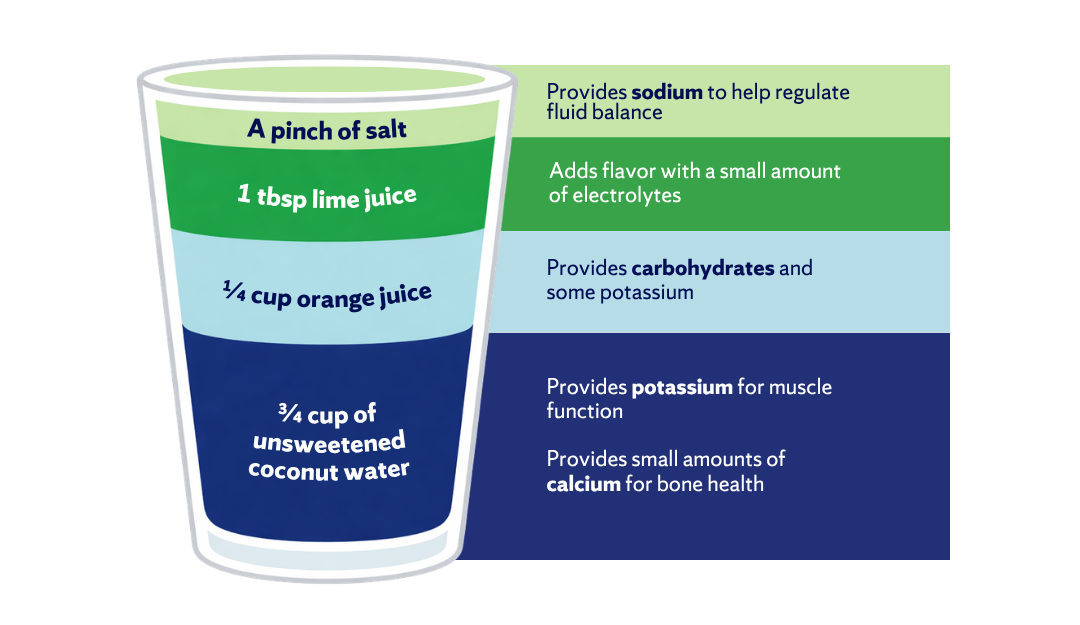
Electrolytes play a key role in hydration. Learn when you might need them and how to replenish them through food and simple drinks.
Five Foods That Support Mental Health
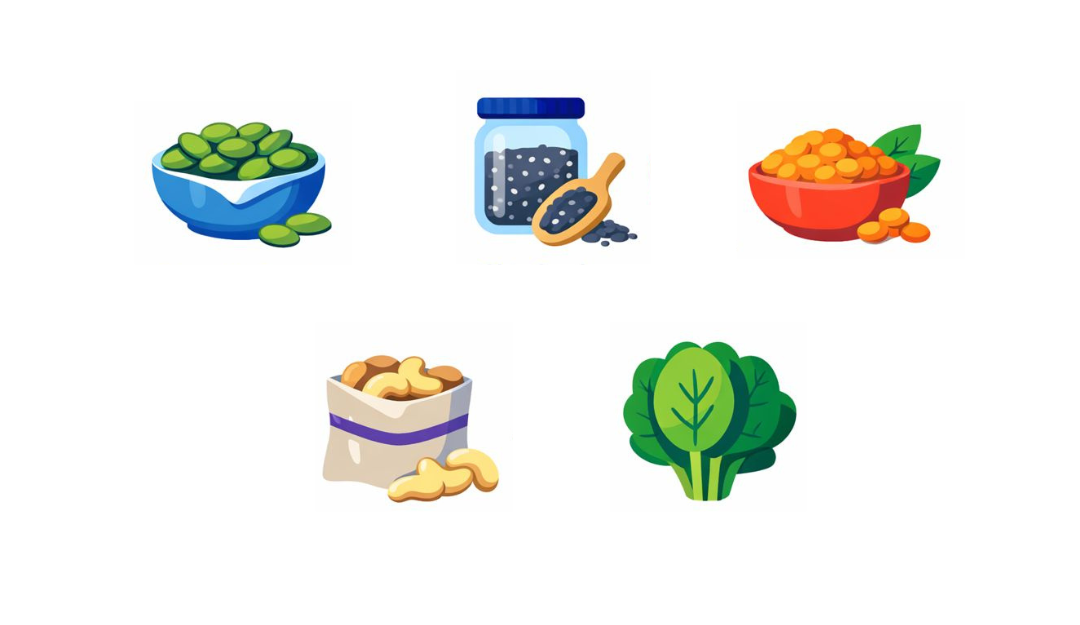
Learn how nutrient-rich, plant-forward foods can support mood, stress response, and overall mental well-being.